Dubai Travel Guide 2026: Costs, Visa, and What Nobody Tells You Before You Go
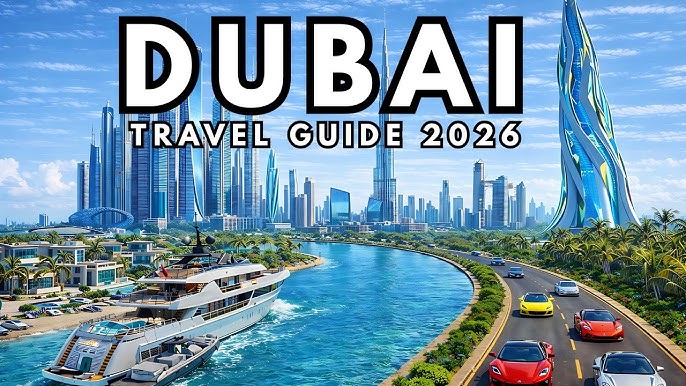
People like to call Dubai "a mall with a desert around it," and after a day in Downtown or the Marina you can see why. Giant air-conditioned malls are strung together by highways under a skyline that looks as if an architect was handed a blank cheque.
But there is another Dubai underneath that one, and it is worth knowing about before you book your flight. Old Dubai along the Creek, the souks in Deira, the Indian restaurants in Karama, the Abra water taxis for one dirham a crossing, the Al Fahidi historical district with its wind towers and quiet alleyways. Both cities share the same map, and which one you see depends on whether you go looking for the older one.
I wrote this guide for travelers from Nigeria and West Africa. Dubai is one of the most popular trips for Nigerians, yet most guides ignore what it's like to plan it from Lagos. So this one covers the visa, the exchange rate, what things cost in naira, which neighborhoods are worth your money, and the traps that will drain your budget if nobody warns you.
The Visa: What Nigerians Need to Know
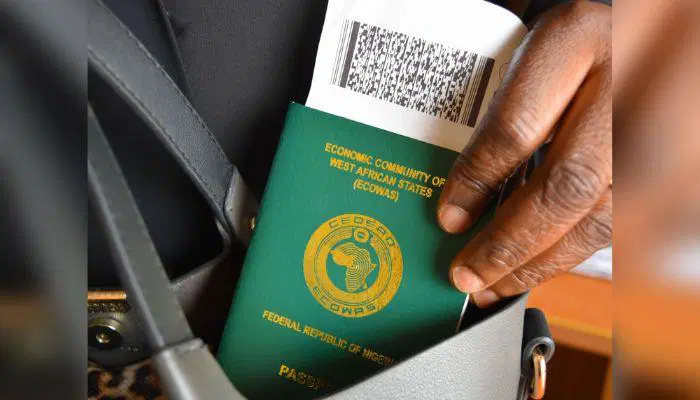
Nigerian passport holders need a visa for the UAE, and you can't get one at the airport. You must have it before you fly. Once you know who handles the application and what it costs, the process is simple enough.
You do not apply for a Dubai visa through the Nigerian embassy or any government office in Nigeria. The visa is arranged through a UAE-based sponsor: an airline, a hotel, a licensed travel agency, or the UAE's ICP portal. Most Nigerian travelers go through Emirates (if they are flying with the airline) or a licensed UAE travel agency. Be careful with unlicensed "visa agents" on social media, who sometimes take payment and disappear.
The visa options in 2026 are as follows:
| Visa Type | Duration | Approximate Cost (USD) | Best For |
|---|---|---|---|
| 30-day single entry | 30 days | $130 to $160 | First trips, short holidays |
| 60-day single entry | 60 days | $200 to $260 | Extended stays, family visits |
| 30-day multiple entry | 30 days per visit | $230 to $270 | Regional travelers visiting other Gulf countries |
| 90-day single entry | 90 days | $450 to $550 | Long stays, remote workers |
| 5-year multiple entry | 90 days per visit | $400 to $800 | Frequent travelers |
These are typical all-in prices from agencies, including government fees, VAT, service charges and any required insurance. Some websites advertise only the basic government fee and add the rest at checkout, so compare the final total. Prices change, so treat the table as a guide.
Processing takes 3 to 5 working days for a standard application. Express processing (24 to 48 hours) costs an additional AED 100 to AED 250. Apply at least two weeks before you travel so there is time to sort out any questions.
Don't overstay. Tourist visas have no grace period. Fines start the day after your visa expires, currently around AED 50 per day, and overstaying can lead to a travel ban and make future UAE visas much harder to get. Check your exit date on the visa itself, not your flight booking, and extend or leave on time.
Required documents for your application: valid Nigerian passport with at least 6 months validity beyond your travel dates, a passport-size photo on a white background, proof of accommodation (hotel booking or invitation letter from a UAE contact), a return ticket, and proof of funds. Since visas for Nigerians resumed in 2024, many agencies ask for recent bank statements showing a healthy balance, so have three to six months of statements ready.
What Dubai Costs in 2026
You'll hear both "Dubai is only for the rich" and "Dubai is cheap if you know where to go." Both are partly true, and the spending gap between them is huge.
The dirham is pegged at 3.67 to the US dollar, so one dirham is about 27 US cents. To get naira, multiply the dollar figure by the day's exchange rate. At ₦1,500 to the dollar, for example, an AED 15 meal is about ₦6,100 and an AED 150 hotel room about ₦61,000. Work out a rough conversion before you land so you're not reaching for a calculator every time you pay.
| Category | Budget | Mid-Range | Comfortable |
|---|---|---|---|
| Accommodation (per night) | AED 90 to 180 / $25 to $49 | AED 270 to 450 / $74 to $123 | AED 500 to 900 / $136 to $245 |
| Food (per day) | AED 40 to 70 / $11 to $19 | AED 80 to 150 / $22 to $41 | AED 180 to 350 / $49 to $95 |
| Transport (per day) | AED 15 to 30 / $4 to $8 | AED 35 to 70 / $10 to $19 | AED 80 to 150 / $22 to $41 |
| Daily Total | $40 to $76 | $106 to $183 | $207 to $381 |
The budget tier is achievable but requires staying in Deira or Bur Dubai rather than Downtown or the Marina, eating from local Indian and Filipino restaurants rather than hotel restaurants, and using the metro consistently. The mid-range level gets you a clean 3-star hotel, a mix of local and tourist restaurants, and a fair amount of sightseeing. Away from Downtown, the basics in Dubai are better value than most people expect.
The real budget killers are restaurants with views in tourist areas, day passes for hotel pools and beach clubs, drinks in licensed hotel bars, and taking ride-hailing cars everywhere instead of the metro.
Cheaper than you'd think: the metro, shawarma and Indian food in the older neighborhoods (AED 8 to 25 a meal), abra boat rides across the Creek (AED 1), and groceries at Lulu Hypermarket.
When to Go (and When Not To)
For weather, go between November and March. Temperatures sit around 18 to 28 degrees Celsius, humidity is low, and it's lovely to be outside. The trade-off is that this is peak season. Hotel prices are 25 to 40% higher than the rest of the year, flights from Lagos to Dubai cost more, and every attraction from the Burj Khalifa viewing deck to the desert safari operators is at full price.
June through August is the mirror image. Temperatures hit 40 to 45 degrees Celsius with heavy humidity, and being outdoors between 10 AM and 6 PM is exhausting. On the plus side, budget and mid-range hotels drop their prices by 40 to 50%, flights are cheaper, and attractions are quieter. If you mostly plan to shop, visit malls and museums, and eat out, summer is a sensible choice on a tight budget.
My personal recommendation for the best combination of weather and price: March or October. Both months offer good weather without peak season prices. March in particular has warm evenings, manageable temperatures during the day, and hotel rates that have already started dropping from the December and January peaks.
Getting There From Nigeria
Lagos to Dubai is one of Nigeria's busiest international routes, and the competition helps keep fares in check. Emirates flies direct from Lagos. One-stop options include Ethiopian Airlines via Addis Ababa, EgyptAir via Cairo, Qatar Airways via Doha and Turkish Airlines via Istanbul. From Abuja, Kano and Port Harcourt you will usually connect somewhere.
Fares move a lot with the season and exchange rates, so set alerts on Google Flights or Skyscanner and compare Emirates' direct fare with the one-stop options. Ethiopian via Addis Ababa is often the cheapest but adds several hours to the trip. Booking six to eight weeks ahead, and avoiding December and the Easter and Sallah holidays, usually gets the best prices.
The direct Emirates flight takes roughly 7 to 8 hours. Most flights from Lagos arrive the next morning, which counts as your first day on the visa.
Practical tip: If you fly Emirates, they offer visa services directly through the booking process. The price is similar to agencies, and you handle the visa in the same place as your booking. If you're flying Emirates anyway, it's the simplest option.
Neighborhoods: Where to Stay and Why
Where you stay decides your budget, how long you spend getting around, and what kind of trip you have. Dubai is spread out, and the wrong base can add an hour of travel to every day.
Deira and Bur Dubai: Old Dubai, Best Budget Value
This is where I stayed on my first visit and where I would tell most first-time visitors on a budget to base themselves. Deira sits on the north side of the Dubai Creek and Bur Dubai on the south side. Between them you'll find the Gold Souk, the Spice Souk, the Al Fahidi Historical District, the abra crossings, and street after street of Indian, Pakistani, Bangladeshi and Filipino restaurants serving full meals for AED 15 to 25.
Budget hotels here run AED 90 to 180 per night. The area is well connected by metro (Union and Al Rigga stations in Deira, Al Fahidi station in Bur Dubai) and the Dubai Tram runs through parts of Bur Dubai. It's noisier than the newer districts, especially around Naif and Al Rigga. It isn't the quietest place to stay, but for the money it's the most interesting.
Al Barsha: Good Balance of Price and Location
Al Barsha sits near Mall of the Emirates and the Mall of the Emirates metro station, which puts it on the Red Line with direct access to both Deira and the Marina. Hotels here run AED 180 to 350 per night for mid-range options. It is quieter than Deira, more residential, and has a good concentration of local restaurants and supermarkets. A sensible base for anyone who wants the price benefits of staying outside Downtown without the noise of old Dubai.
Dubai Marina and JBR: The Tourist Area
Beautiful waterfront, good restaurants, easy walk to JBR beach. Hotels start at AED 350 and go up steeply. Stay here if money isn't tight and you want the postcard version of Dubai. If you mainly want to see the old city and the Creek, the extra cost isn't worth it, because they are a long metro ride away.
Downtown Dubai: Burj Khalifa Views, Highest Prices
Hotels here start at AED 500 per night for anything decent and go up to AED 2,000 and beyond. The location is excellent for the Burj Khalifa, Dubai Mall, and the Dubai Fountain. Unless you want to be near those sights every day, it isn't worth the price.
What to Do in Dubai
Dubai has a long list of paid attractions, and many cost more than they're worth. Here's what I think is worth paying for, and what you can enjoy for free.
Worth the Price
Burj Khalifa observation deck (124th floor): AED 149 to 249 depending on time slot. The view is incredible, and nowhere else shows you how the city fits together. Book online ahead of time, because tickets bought on the day cost more. Sunset slots sell out fast and cost extra, but the light is worth it.
Desert Safari: AED 120 to 250 per person depending on operator and package. Includes dune bashing in a 4x4, camel riding, sandboarding, sunset viewing, and a camp dinner with live entertainment. Cheaper operators use the same dunes and offer much the same experience as the premium ones. Book through your hotel or a well-reviewed agency, not a street tout, and check that the driver and vehicle are licensed.
Dubai Frame: About AED 50. It's a giant picture frame standing between old and new Dubai, and from the glass-floored bridge at the top you can see both. It takes about 45 minutes and is much less crowded than the Burj Khalifa.
Free or Very Cheap
Dubai Fountain show: Free. There are two shows around lunchtime, then a show every 30 minutes from about 6 PM to 11 PM. Watch from the promenade around the Burj Khalifa lake instead of paying restaurant prices for a terrace view. Early evening shows are usually less crowded than the later ones.
Abra ride on Dubai Creek: AED 1 per person. One of the oldest forms of transport in Dubai, the wooden water taxis cross the Creek between Deira and Bur Dubai continuously. Take your time, watch the trading dhows being loaded, and you'll get a sense of how Dubai looked before the towers.
Al Fahidi Historical District and Al Shindagha Museum: The old Dubai Museum in Al Fahidi Fort has been closed for renovation for several years, but the lanes of wind-tower houses around it are free to wander. A short walk along the Creek, the Al Shindagha Museum tells the story of Dubai's pearl-diving and trading past for a modest entry fee. After a day of malls, the contrast is striking.
Gold Souk and Spice Souk: Free entry. The Gold Souk in Deira is one of the largest gold markets in the world. Even if you are not buying, the scale and the density of the shops are worth seeing. The Spice Souk nearby sells saffron, frankincense, dried fruit and spices. Haggle politely, because first prices are usually high.
JBR Beach: Free. The beach at Jumeirah Beach Residence is open to the public, well-maintained, and has food stalls along the Walk. Worth an afternoon if the weather is right.
Food in Dubai: Where to Eat Without Overpaying
Close to 90% of Dubai's residents come from abroad, mainly from India, Pakistan, Bangladesh, the Philippines, Egypt and dozens of other countries, and you can taste it. The best cheap food here isn't usually Emirati. It's the cooking of the communities that built the city.
Al Karama and Deira are where you eat on a budget. Indian thalis cost AED 18 to 25, Pakistani biryani is excellent and cheap, and Filipino restaurants serve sinigang and adobo for AED 20 to 35. Shawarma shops on almost every corner for AED 8 to 12. If you are eating in these neighborhoods, your daily food budget can stay under AED 70 without difficulty.
Al Rigga Road in Deira has a particularly dense concentration of budget restaurants. Go at lunch when set menus are even cheaper. Mall food courts are another good option, cheaper than sit-down restaurants and always air-conditioned.
If you want to spend more, Jumeirah and Downtown have good restaurants at international prices. Restaurants high up in the Burj Khalifa have amazing views, but the food rarely matches the bill. Pay for the observation deck instead and eat somewhere more reasonable.
Getting Around Dubai
The Dubai Metro is the backbone of getting around the city without spending a lot on taxis. Two lines cover most places visitors go. The Red Line runs from the airport through Deira and along Sheikh Zayed Road to Downtown and Dubai Marina. The Green Line serves old Dubai, including the Gold Souk area. Single trips cost roughly AED 3 to 8 depending on zones.
Buy a Nol card at any metro station for AED 25, which includes AED 19 in credit. It works on the metro, buses and water buses. A day pass with unlimited travel costs about AED 20 and pays off if you take four or more trips in a day.
The metro runs from roughly 5:30 AM to midnight on weekdays and until 1 AM on weekends. Each train has a Gold Class carriage (pay a higher fare) and a carriage reserved for women and children. The air conditioning everywhere is fierce, so bring a light layer.
For trips the metro doesn't cover, use Careem or Uber. You see the price before you book, so there's no haggling. Metered taxis are also reliable, with a minimum fare of about AED 12.
Practical Information
Currency: UAE dirham (AED), pegged at about 3.67 to the US dollar. Its value against the naira follows the dollar rate. At ₦1,500 to the dollar, one dirham is roughly ₦410. Cards are accepted almost everywhere, but carry some cash for souks, small shops and the abra.
Exchange rates: The best rates in Dubai are from licensed exchange bureaus in Deira and Bur Dubai, not hotel exchanges or airport counters. Al Ansari Exchange is a reliable chain with branches across the city. Airport counters usually give the worst rates.
SIM card: du and e& (formerly Etisalat) both sell tourist SIMs at the airport, with packages starting from around AED 50 to 100. Buy one in the arrivals hall, or set up an Airalo or Holafly eSIM before you leave home.
Dress code: Dubai is more relaxed than many visitors expect. Shorts and T-shirts are fine in tourist areas, hotels and malls, though modest clothing is appreciated in older neighborhoods. Cover shoulders and knees at mosques. The Sheikh Zayed Grand Mosque is in Abu Dhabi, but it's worth the day trip. Normal swimwear is fine at the beach. Avoid public displays of affection.
Local laws: UAE laws are stricter than many visitors realize. Drinking alcohol is only allowed in licensed venues such as hotel bars and restaurants, and being drunk in public is an offense. Some common medicines, including certain painkillers and sleeping pills, are controlled, so carry prescriptions in their original packaging with a doctor's letter. Rude gestures or insulting posts online can also lead to fines.
Ramadan: In 2026 Ramadan ran from mid-February to mid-March, and in 2027 it is expected from around early February to early March. Most restaurants in malls and tourist areas stay open during the day, but be discreet about eating, drinking and smoking in public before sunset. The city feels different, quieter by day and lively after iftar in the evening, and many visitors find it a fascinating time to go.
Getting from the airport: Dubai International Airport (DXB) is directly served by the Red Line metro. The Airport Metro Link connects Terminals 1 and 3 to the Red Line. A metro journey from the airport to most central areas costs AED 5 to 8 and takes 20 to 45 minutes depending on your destination. It's usually quicker and much cheaper than a taxi, which costs AED 50 to 80 for the same trip depending on traffic. With big suitcases at rush hour, though, a taxi is less stressful.
My Advice for a First Visit
Stay in Deira or Bur Dubai, not Downtown. Cross Dubai Creek by abra on your first afternoon. Eat in Al Karama. Pay for the Burj Khalifa viewing deck at sunset. Do a desert safari if you have any interest in the landscape outside the city. Visit the Gold Souk even if you are not buying gold. Take the metro everywhere the metro goes and use Careem for the rest.
You don't need to see every giant mall. After one, you've got the idea. Spend that time wandering the Al Fahidi Historical District instead.
A little homework goes a long way in Dubai. On top there's a tourist layer built to take as much of your money as it can. Underneath is an everyday city that is more interesting and far cheaper. Which one you get depends on the streets you choose to walk.