How to Plan an International Trip in 2026: Step-by-Step Guide From Flights to Packing List
When international trips go wrong, it's usually because things were done in the wrong order, not because people didn't try hard enough. A visa problem that surfaces at the check-in desk. A non-refundable hotel booked before the dates were certain. A whole plan built around a flight that later has to change. Planning a trip abroad isn't complicated. Do the steps in the right order and very little goes wrong.
I've planned around thirty international trips of varying complexity over the last eight years, and I've helped a lot of friends and readers plan theirs. This guide sums up what matters, in the order it matters.
The Right Way to Think About Trip Planning
Most people pick a destination, search for flights, and sort out the rest as they go. That's fine until one step depends on another you skipped. You book flights without checking your passport's expiry date. You book a hotel before you know your visa dates. You plan a day around a sight that needed booking weeks ago.
It helps to see planning as a chain where each step depends on the one before. You can't fix your dates until the visa question is settled. You shouldn't book hotels until the dates are fairly firm. In some places the hotel needs booking before the activities. The checklist at the end follows that order.
One more thing: it's hard to start planning a trip abroad too early, but very easy to start too late. Starting six months out costs you nothing. Starting three weeks out can cost you money, choice, and sometimes the whole trip.
Step 1: Decide What You Want From the Trip
Most people skip this and head straight to Instagram for ideas. Before you pick a country, answer these questions:
- How many days do you have? (This determines geographic range more than anything else.)
- What's your realistic total budget including flights? (Not "I'll figure that out later.")
- What kind of trip do you want? (Beach, city culture, food, adventure, history, or a mix?)
- Who are you traveling with, and what are their constraints? (Visa situation, dietary needs, fitness level for activities?)
- Are there specific things you're not willing to compromise on? (Private accommodation vs hostel, direct flights vs layovers, minimum days at each location?)
Answering these first saves a lot of time and stops you falling for a place that doesn't fit. I've seen friends plan a two-week Japan itinerary with a one-week budget because they got excited before doing the sums. That trip either never happens or goes badly.
Step 2: Choose a Destination That Fits Your Constraints
With your constraints defined, now pick a destination. Here's how I do it. I use Google Flights with the "explore" feature, which lets you enter your departure city and travel dates and see a map of flight prices to destinations worldwide. It shows you what you can afford before you fall in love with anywhere, which makes it a better starting point than Pinterest.
Key factors to consider when choosing in 2026:
- Visa requirements for your passport. Some countries require visas that take 3 to 8 weeks to process. Find out before you commit to dates. Rules for Nigerian and other African passport holders are often very different from those for US or EU citizens, so check the official embassy or immigration website rather than summary sites.
- Passport validity. Many countries want your passport valid for at least 6 months beyond your trip. If yours expires within the next 8 months or so, renew it before booking anything.
- Vaccinations and health requirements. Some destinations require proof of yellow fever vaccination. Others have malaria risk areas that warrant prophylactics. Check the CDC Travelers' Health site or your country's equivalent.
- Flight duration and transit requirements. A 22-hour journey with two stops is a very different trip from a 6-hour direct flight, even at the same price. Think about how you'll feel when you arrive.
Step 3: Sort Your Visa Before Anything Else
People often push this down the list, and it causes the worst disasters. Your visa decides your travel dates, because it's only valid for a set period. You can't fix your dates until you know when that is. And if you need an embassy appointment, you need to know the waiting and processing times before you plan anything else.
Types of visa situations in 2026, in order from simplest to most complex:
- Visa-free: You simply arrive. Check how long you're allowed to stay, because it varies by nationality even where no visa is needed. In the Schengen Area, for example, visa-free visitors can stay 90 days in any 180-day period.
- E-visa / Electronic Travel Authorization (ETA): You apply online and usually hear back within 3 to 10 working days. Pay the fee, upload your passport details and photo, and get approval by email. Apply at least two weeks before you travel to be safe.
- Visa on arrival: You pay and receive the visa at the border/airport. There's no advance application, but have the fee ready (often in US dollars cash) along with your passport, return ticket, hotel booking and proof of funds.
- Embassy visa: Requires in-person application, document submission, interview in some cases, and significant processing time. For the US B1/B2 visa, appointment waits alone can run for months in some countries, and UK and Schengen visas can take weeks. Apply as early as the rules allow.
Only apply through official government websites. Copycat sites look like the real thing, charge far more for the same application, and some are outright scams.
Before applying for any visa or booking any flight, verify three things about your passport: (1) it's valid for at least 6 months beyond your planned return date, (2) it has at least two blank pages for stamps and visas, (3) the name on it exactly matches what you'll use for booking flights. Discrepancies between passport name and ticket name can prevent boarding and void your ticket. If your passport is expiring or nearly expired, renew it before booking anything.
Step 4: Set a Realistic Budget
The most common budgeting mistake is planning for the best case. You find a cheap flight, guess hotels at "maybe $50 a night" and activities at "not much," and end up with a total that assumes nothing goes wrong. Something always does.
This is the formula I use:
Total budget = (daily on-ground cost × number of days) + flights + visa fees + travel insurance + 15% buffer
For the daily on-ground cost, use the mid-range estimates from destination guides like ours rather than the minimum possible. If you're going to Southeast Asia and the budget tier is $30 a day, plan on $40 to $45 to account for days when you do something more expensive, eat a proper restaurant meal, or take an unexpected taxi. Build that extra into the daily figure rather than relying on the overall buffer to cover it.
The 15% overall buffer absorbs: luggage fees you didn't anticipate, a meal that cost twice what you expected, a day when you were sick and couldn't leave the hotel, an activity you decided to do on impulse that cost $60, the taxi from the airport that was more expensive than the app showed.
Step 5: Book Flights (In the Right Way)
For most international trips, the best mix of price and choice tends to come about 2 to 5 months before departure. Book toward the earlier end for summer in Europe and big holidays such as Christmas. Booking very early helps most with business class and award seats. Economy fares move around a lot and don't always reward booking a year ahead.
The tools that help:
- Google Flights for initial research, price tracking, and flexible date searching. Use the calendar view to identify the cheapest departure and return dates in a window of 2 to 3 weeks around your preferred dates.
- Skyscanner's "Everywhere" search if you're flexible on where to go. Enter where you're leaving from and your dates to see destinations sorted by price.
- Google Flights price alerts for your route as soon as you have rough dates. You'll get an email when the price moves.
- Booking directly with the airline after finding the best price on a search tool. Direct bookings are easier to manage for changes, cancellations, and seat selection.
Two more tips. Midweek departures are often a bit cheaper than weekend ones, so if your dates can move, check the days either side. And flying into a nearby city, then taking the train, can beat a direct fare. Flying into Brussels and taking the roughly 90-minute train to Paris is one example worth checking.
Step 6: Book Accommodation (Not All at Once)
This is what I do. I always book the first two or three nights and the last night before the trip starts, on free-cancellation rates. For the nights in between, I either book free-cancellation rates too or wait and book closer to the time. That way I have somewhere to go when I land tired, a bed near the airport or station before I fly home, and room to change plans in the middle.
For booking accommodation in 2026, I use Booking.com for the widest inventory and reliable cancellation policies, Hostelworld for budget options and hostels specifically, and hotel websites directly for longer stays, since many hotels offer member rates 5 to 10% below the booking sites. For apartments and longer stays, Airbnb and Booking.com's apartment inventory are both useful.
When to book accommodation further in advance: Carnival in Rio (book a year ahead), Oktoberfest in Munich (6 months minimum), cherry blossom season in Japan (5 to 6 months), any major European city in July and August (3 to 4 months). For less peak destinations and seasons, 1 to 2 months is usually sufficient.
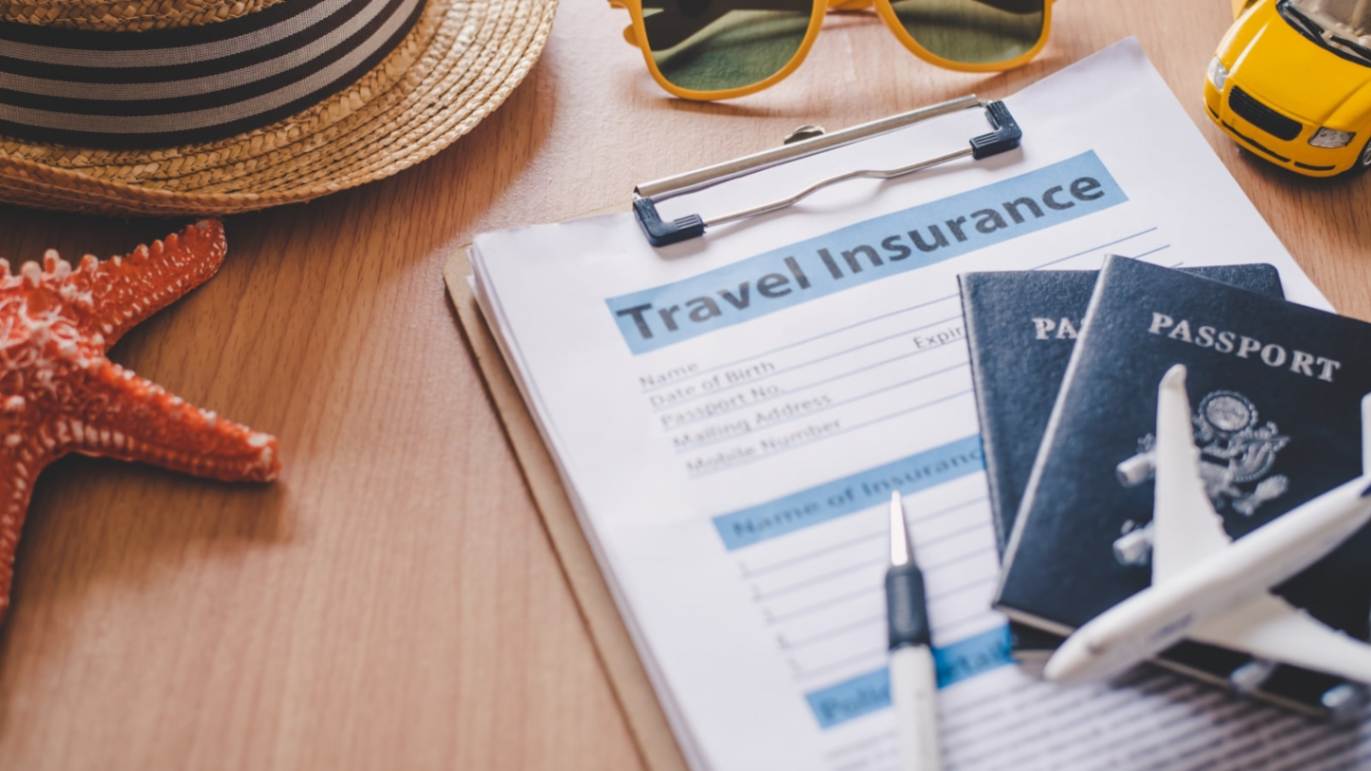
Step 7: Get Travel Insurance
When you buy matters. Cancellation cover only applies to problems that arise after you buy the policy. If you wait three weeks after booking your flights and fall ill in between, that illness won't be covered as a reason to cancel. Buy your policy within a day or two of booking flights.
What to look for: medical cover of at least $100,000 (more for the US, where treatment is very expensive), emergency evacuation cover (an air ambulance can cost $50,000 to $100,000), trip cancellation and interruption, and lost baggage. Which companies you can buy from depends on the country you live in, not your passport. In Nigeria, several insurers, including local companies linked to international groups such as AXA and Allianz, sell travel policies. Check that yours meets any visa requirements, such as €30,000 of medical cover for Schengen, and compare the cover, not just the price.
Where insurance really pays off is a medical emergency. A night in a private hospital in Bangkok can cost $500 to $2,000 depending on your condition. The same emergency in the US can run from $10,000 to well over $100,000. Think of insurance as something you hope never to use, not an optional extra.
Step 8: Plan Your Itinerary (Loosely)
Packed itineraries are one of the main reasons trips feel exhausting. Plan every day in 90-minute blocks and you leave no room for the unplanned moments that often become the best memories, or for delays, detours and "let's stay another day" decisions.
My approach: identify the 3 to 5 things I definitely want to do or see on a trip. Identify the 2 to 3 restaurants I want to try. Book anything that has to be booked ahead, such as Machu Picchu tickets, the Sagrada Familia or popular tours. Leave everything else to be decided on the ground based on mood, weather, and what I hear from other travelers once I'm there.
Things to book ahead in 2026: Machu Picchu (timed tickets, which sell out in high season), the Sagrada Familia in Barcelona (2 to 4 weeks ahead in summer), the Alhambra in Granada, popular cooking classes in big food cities, trains in Vietnam and Japan at busy times, and rooms in places with few of them, such as Naoshima island, popular national parks and remote lodges.
Step 9: Sort Your Money and Connectivity
Landing somewhere with no phone data and no local cash seems fine until it isn't. The taxi driver doesn't take cards. The map won't load. The nearest ATM is somewhere, but you don't know where. Easy problems when you're rested. Stressful ones after a 12-hour flight.
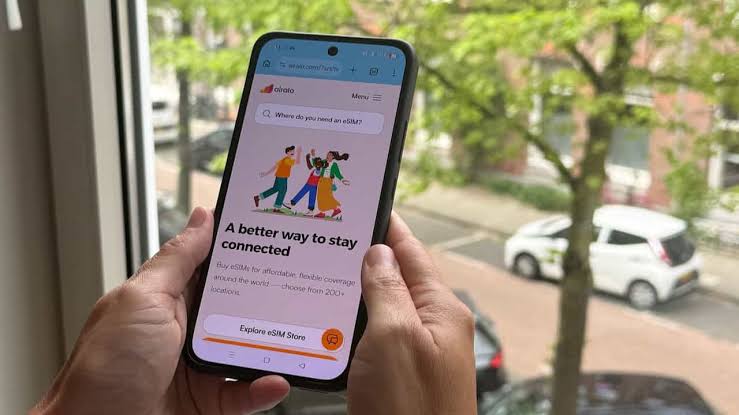
For data, I now use an eSIM on most short trips. Airalo and Holafly both offer eSIMs for most major destinations at $8 to $25 for a week of data, depending on region. You activate them before you land and have data the moment you step off the plane. For longer stays (more than two weeks), a local physical SIM card from the airport usually offers better value. See our dedicated eSIM guide for 2026 for the full breakdown.
For money: notify your bank of your travel dates to prevent cards being blocked for "suspicious" foreign transactions. Check your card's foreign transaction fee, because many cards add 1.5 to 3% to every purchase abroad. Where they're available to you, cards such as Wise, Revolut or Charles Schwab (US) charge little or nothing. Take out local cash from a bank ATM at the airport rather than using the arrivals exchange desk, which usually has poor rates. If an ATM offers to charge you in your home currency, decline and pay in the local currency. Always carry some cash, even in places that are mostly cashless.
Step 10: The Pre-Departure Checklist
Two weeks before departure:
Two Weeks Before
- Confirm passport validity (6+ months beyond return date, 2+ blank pages)
- Confirm visa is in order and matches your exact travel dates
- Print or download digital copies of all bookings (flights, hotels, visa)
- Check destination entry requirements haven't changed (do this even if you checked 3 months ago)
- Confirm travel insurance is purchased and covers your full travel period
- Research and download offline maps for your destination (Google Maps offline, Maps.me)
- Notify your bank and credit card providers of travel dates and destinations
- Check if any advance bookings are needed for specific activities
- Purchase eSIM or arrange local SIM strategy
- Check baggage allowance on your specific ticket and airline policy for carry-on sizes
48 Hours Before
- Check in online for your flight (usually opens 24 to 48 hours before departure)
- Download airline app and confirm boarding pass is accessible offline
- Confirm airport transfer or transport to airport
- Reconfirm first night hotel booking
- Pack, then weigh your luggage at home to check it meets airline limits
- Charge all devices and backup batteries
- Exchange a small amount of destination currency if not withdrawing on arrival
- Save emergency contacts: destination country emergency number, your country's embassy contact in destination
- Photograph both sides of all important cards and documents, save to cloud storage
The Complete Planning Timeline
| When | What to Do |
|---|---|
| 6+ months out | Define trip parameters, research destinations, check passport status |
| 5 to 6 months out | Begin visa process (especially embassy visas), set flight price alerts, book popular events/accommodation |
| 4 to 5 months out | Book international flights, purchase travel insurance (within 48hr of booking) |
| 3 to 4 months out | Book key accommodation (especially peak season or limited supply destinations) |
| 6 to 8 weeks out | Book advance-required activities, research local transport, set up currency plan |
| 2 to 4 weeks out | Complete checklist above, arrange eSIM/SIM, notify bank |
| 48 hours out | Online check-in, confirm all bookings, pack and weigh luggage |
The Planning Mistakes That Cost People the Most
I want to close with the mistakes I've seen most frequently, because they're almost all preventable with better sequencing.
Booking flights before checking visa rules. This is the most expensive mistake. Find out after booking that you need an embassy visa with a six-week wait, and you either lose the trip or rush the application with no margin. Check the visa rules for your passport before you book anything.
Choosing the cheapest flight without checking baggage policy. Budget airlines often charge $30 to $80 per checked bag each way. A "cheap" flight plus two bags can cost more than a pricier airline that includes luggage. Compare the total with your bags before you book.
Waiting to buy travel insurance. As mentioned above, cancellation cover only applies to problems that start after you buy. Buy it within a day or two of booking flights, not two weeks before you leave.
Cramming the itinerary. It's odd advice in a planning guide, I know. But when travelers tell me a trip disappointed them, the most common reason is "we tried to do too much." Leave some time unplanned. It fills up with the good stuff.
Not leaving your plans with someone at home. Give a trusted person a copy of your flights, where you're staying, your emergency contacts and your insurance policy number. If something goes wrong and nobody can reach you, they'll know where to start.
Order beats effort. Three days of planning in the right order leaves you better prepared than three weeks of worrying in the wrong one. Check your passport, then sort the visa. Set the budget before booking flights. Buy insurance within a couple of days of the flights. Book the first and last nights before the middle of the trip. The rest is detail.