Budget Travel in Southeast Asia 2026: What It Costs and How to Stretch Every Dollar

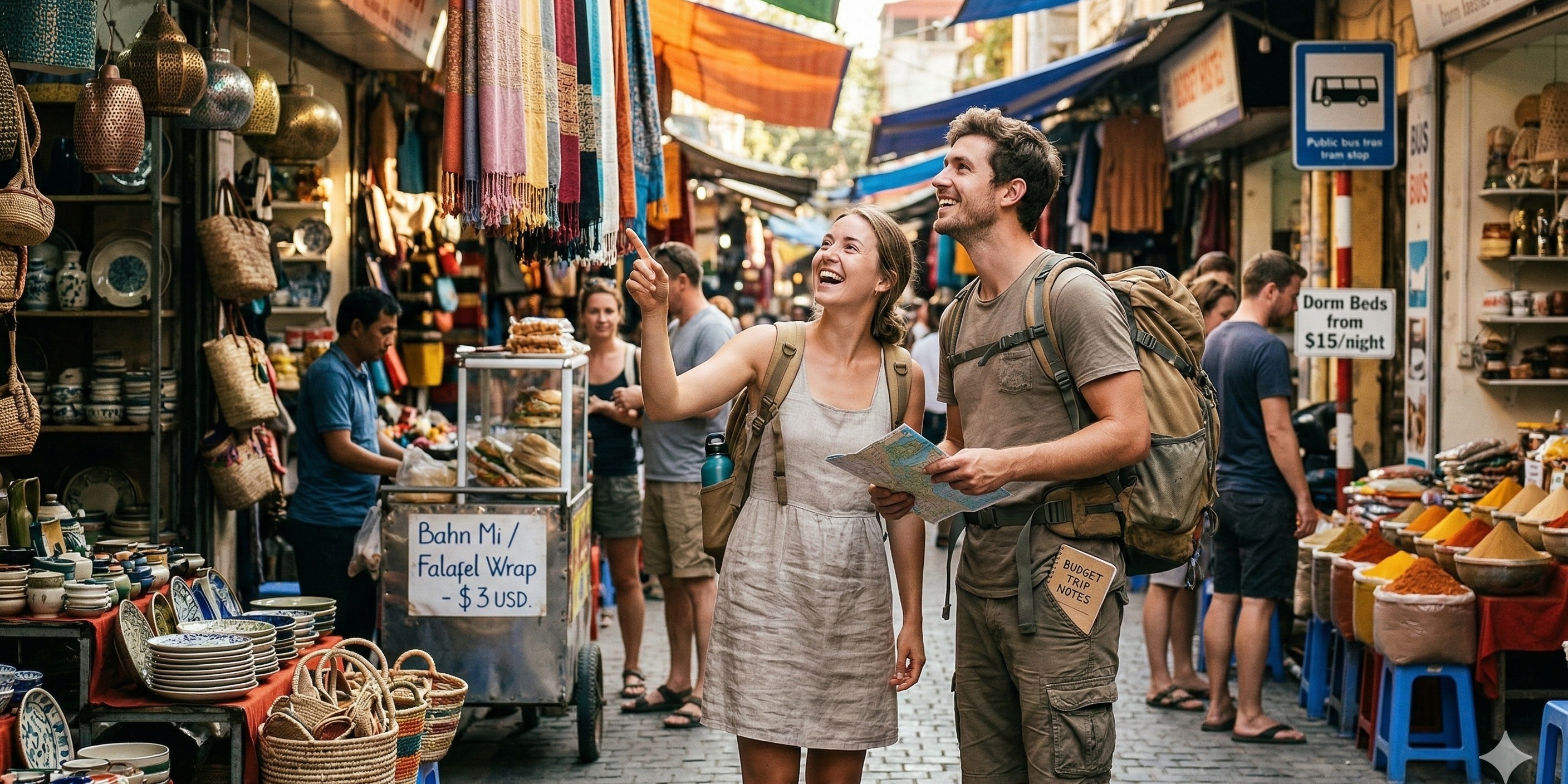
Budgeting for Southeast Asia feels strange at first, because you soon stop counting every dollar. In Vietnam or Laos, a filling street-side dinner of rice, a couple of dishes and a cold drink can cost less than $3. Eating and sleeping well simply costs far less here than most visitors are used to.
In 2026, a full month across five Southeast Asian countries on a backpacker budget runs around $900 to $1,100 on the ground, excluding your international flights to get there. That is about what a long weekend in Paris costs. Two months here can cost less than two months' rent in many Western cities. I can't think of another region that gives you so much for so little, and because transport and guesthouses are so well set up for visitors, a budget trip here is comfortable, not a hardship.
What has changed is the gap between countries. Vietnam and Cambodia are still incredibly cheap. Thailand and Bali have become pricier. Singapore was always expensive and still is. So the biggest budget decision is how you split your days: long stays where it's cheap, short visits where it isn't.
Real Daily Costs by Country in 2026
A Budget-Friendly Southeast Asia Route for 2026
If you want the most days for your money, try this. Fly into Bangkok (or Kuala Lumpur, which is sometimes cheaper from Africa and parts of Europe). Spend three days in Bangkok and three in Chiang Mai, then take a budget flight to Hanoi. Give Vietnam the most time, working south through Hoi An to Ho Chi Minh City over two to three weeks. From there, take the bus to Phnom Penh, then continue to Siem Reap for Angkor Wat. Finish by flying from Siem Reap back to Bangkok, or on to Bali if you want some island time at the end.
The idea is simple. The cheapest countries, Vietnam and Cambodia, get the most days. Mid-priced places such as Bangkok, Chiang Mai and Ubud get shorter stays. The expensive stops, like Bali's beach strip, the Philippine islands and Singapore, are kept brief or skipped if money is tight.
Money Tactics That Matter in 2026
ATM strategy: withdraw the maximum, once
ATMs across the region charge foreign cards $3 to $8 a withdrawal, whatever the amount. In Vietnam, licensed exchange counters often beat the ATM rate for cash dollars or euros. In Thailand, SuperRich booths usually give the best rates. In Cambodia, bring clean US dollar notes and you'll rarely need an ATM. When you do withdraw, take out as much as the machine allows ($200 to $500) so you pay the fee fewer times, and keep the cash split between a couple of places.
Walk two blocks from tourist streets for half-price food
This saves more money than almost anything else. On the main tourist street a dish costs $6 to $10. Two blocks away, at a place full of locals, the same dish is $2 to $3, and it's often better because regulars won't put up with bad cooking. Look at the map for side streets just off the tourist area and wander in at lunchtime.
Night buses save accommodation and transport in one booking
Overnight sleeper buses between major cities in Vietnam ($12 to $20), Thailand ($10 to $18), and Cambodia ($8 to $15) cover your transport and your bed for the night with one ticket. Most have lie-flat berths, though tall travelers may find them short. Taking the Hanoi to Hoi An bus overnight saves a hotel night and a day on the road.
Use Grab everywhere instead of taxis
Grab (the regional equivalent of Uber, active across Thailand, Vietnam, Cambodia, Malaysia, Indonesia, Philippines, and Singapore) shows the price before you book and is often 40 to 70% cheaper than haggling with tuk-tuk drivers or taking street taxis. In Vietnam, GrabBike motorbike taxis are the cheapest way around town, usually $0.50 to $1.50 per trip.
Refill your water bottle, do not buy single-use bottles
Outside Singapore, don't drink the tap water anywhere in the region. Most hostels and guesthouses have free filtered water to refill from. Buying a couple of 1.5L bottles a day at $0.50 to $1 each adds $30 to $60 to a month-long trip, and a lot of plastic. Bring a reusable bottle.
Budget Summary
A realistic 30-day Southeast Asia backpacker budget in 2026, excluding international flights: $900 to $1,100 if you spend the majority of your time in Vietnam and Cambodia, $1,200 to $1,500 if you include significant Thailand or Bali time, and $1,500 to $2,000 for a mixed route including some island time. These figures come from spending that travelers tracked on trips in 2025 and 2026. They aren't bare-minimum numbers that assume you'll live on street food and never take a tour.
How long you stay in each country matters more than how carefully you budget within each day. Moving between countries every three days is expensive in transport and arrival-day costs. Two weeks in Vietnam and one in Cambodia will cost far less than three days in each of eight countries over the same period. In Southeast Asia, going slowly is the cheapest way to travel.