Canada Visitor Visa 2026: How to Apply, Requirements, Processing Times, and Tips to Get Approved
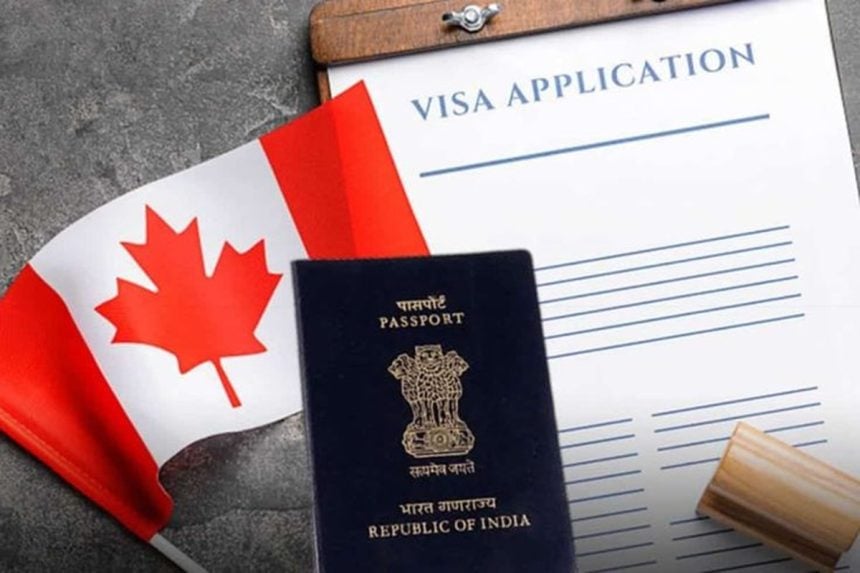
Plenty of people who qualify for a Canadian visitor visa still get refused, and the reason is usually the paperwork. Take two applicants with the same job, the same savings and the same travel history. One sends a thin, messy file and gets a refusal. The other sends clear, well-organized evidence and gets approved. Their lives are identical. Their applications are not.
Canada is one of the most popular visa destinations for travelers from Africa, South Asia, Southeast Asia and Latin America, and one of the harder ones to get. Immigration, Refugees and Citizenship Canada (IRCC) handles millions of visitor applications a year and publishes fairly clear guidance on what it looks for.
That's the upside. The whole process is online, the requirements are published, and careful preparation pays off. The people who get approved tend to be the ones who put together a complete, well-explained application instead of uploading the bare minimum and hoping.
Types of Canadian Visitor Visas
Required Documents for the TRV
IRCC's document list covers: a valid passport (ideally valid well beyond your trip, since a visa can't outlast it), the online application form (IMM 5257), a digital photo that meets IRCC's specifications, proof of why you are visiting, proof of funds, proof of ties to your home country, your travel history, and biometrics, which most applicants give in person at a Visa Application Centre (VAC).
Financial documents (checked most closely)
Six months of bank statements with a steady balance. The officer wants to see two things: that you can pay for the trip, and that the money is really yours, not borrowed for a few weeks to make the account look healthy. As a rough guide, CAD $5,000 to $10,000 in available funds suits a 2 to 4 week trip, but the right amount depends on how long you stay and what you plan to do. Add proof of income such as payslips, an employment letter or tax returns. If someone is sponsoring you, include their signed letter, their bank statements and proof of their status in Canada.
Ties to home country
Employment letter confirming your position, salary, and approved leave from your employer. Proof of property ownership in your home country. Evidence of family responsibilities such as a spouse, children or elderly parents. Ongoing business commitments. The officer is asking one question: will this person go home when the visit ends? The more solid proof you give, the easier it is to say yes.
Purpose of visit documentation
A flight reservation (IRCC advises against buying non-refundable tickets before you have a visa). Hotel bookings, or an invitation letter from your host in Canada with proof of their status. A simple itinerary showing which cities you will visit, what you plan to do and how long you'll spend in each. If visiting family: their invitation letter, proof of their Canadian status (citizenship, PR card, or study/work permit).
Travel history
Past trips to the US, UK, Schengen Area or Australia help a lot. If you hold a valid US visa or have recent US entry stamps, make sure the officer sees them. They show that other countries with strict rules have let you in and that you left on time.
Processing Times in 2026
IRCC publishes current processing time estimates at canada.ca. Times vary a lot by country and change from week to week. For some countries a decision comes within a month. For others, including Nigeria, waits of three months or more have been common. Look up the current figure for your country on the IRCC processing times page before you set a travel date, and apply as early as you reasonably can.
Biometrics must be provided at a Visa Application Centre (VAC) in person before IRCC can process your application. In Nigeria, there are VACs in Lagos and Abuja. Book your slot as soon as you get the biometrics instruction letter, because appointments fill up fast.
What Approved Applications Have in Common
Approved applications usually tick the same boxes. Nothing is missing. The bank balance is steady, with no sudden jump just before applying. The reason for the trip is clear and believable. The applicant has obvious reasons to go home. And the application went in early, with an itinerary that makes sense.
Refusals tend to follow a pattern too: weak proof of funds, a vague or unlikely reason for the trip, no clear ties at home, or reapplying straight after a refusal without fixing the problem. A refusal letter states the officer's concerns. Deal with each one directly before you apply again. For more detail, you can request the officer's notes through an access to information request.
Read your application as if you were the officer. You have a few minutes per file and three questions to answer. Is the reason for this visit believable? Can this person pay for it? Will they leave on time? Every document you upload should help answer yes to one of those questions. If a document doesn't, ask yourself why it's in there.