Rio de Janeiro Travel Guide 2026: Carnival, Safety, Visa, Hotels, and What to Do Beyond the Tourist Trail
Rio de Janeiro's reputation for crime usually arrives before you do. Some caution is sensible, but it's also one of the most ridiculously beautiful cities on earth. Granite peaks, rainforest, ocean and high-rises are squeezed into the same few miles, and few places anywhere look quite like it.
Staying safe mostly comes down to big-city common sense, which I cover below, though Rio does ask for more attention than most places. It's no reason to stay away, but you do need to plan for it.
The other thing to know straight away is that visa rules changed in 2025 and caught many travelers out. Citizens of the US, Canada and Australia now need an e-visa for Brazil, after years of visa-free travel, and many older guides still say otherwise. So let's start there.
The Visa Situation in 2026: What Changed
After postponing the change more than once, Brazil brought back visa requirements for citizens of the United States, Canada and Australia on April 10, 2025. They're still in force in 2026. The e-visa is easy enough to get, but you can't skip it.
US, Canadian and Australian citizens apply online through Brazil's official e-visa system, which is run by VFS Global for the Brazilian government. The fee is roughly $80 to $90, and processing usually takes several working days. The e-visa allows multiple entries, with stays of up to 90 days at a time. Apply at least a few weeks before you fly, and only use the official site, not look-alike agencies.
EU and UK citizens, most South Americans and South Africans can still visit Brazil visa-free for up to 90 days. Nigerians and many other African passport holders need a visa from a Brazilian embassy or consulate, which means an application, supporting documents and a wait of a few weeks. Rules change, so check the Brazilian consulate's website for your nationality before you book.
Ignore older articles saying Americans, Canadians and Australians don't need a visa for Brazil. That changed in April 2025 and still applies in 2026. Apply for your e-visa well before you fly, because without it your airline won't let you board.
Rio Carnival: Planning for 2027
Carnival is one of the most extraordinary events on earth. It's also expensive, exhausting and complicated to plan. If you're thinking about going, you need to know both sides.
Carnival's dates move each year because they're tied to Easter. Carnival 2026 ran in mid-February. In 2027, Ash Wednesday falls on February 10, so the main Carnival days are expected from about February 5 to 10, with the Special Group parades of Rio's top samba schools at the Sambadrome over the Sunday, Monday and Tuesday nights. The Access Group parades come on the nights just before. The following Saturday, the six best-placed schools return for the Champions Parade. Always check the official schedule before booking, as parade nights have changed in recent years.
The Sambadrome vs the Blocos: An Important Distinction
If you haven't been, you probably know Carnival from the Sambadrome, the purpose-built avenue where the samba schools parade. Good tickets sell out months ahead, and prices run from around $30 for the cheaper grandstand sectors to hundreds of dollars for boxes near the action. Buy only from the official ticket sellers listed by LIESA, the samba schools' league, or well-known agencies. Fake tickets are common.
For most Cariocas, as Rio locals are called, the blocos are the heart of Carnival. These free street parties, hundreds of them across the city, begin weeks before Carnival itself and run right through it. Big ones such as Cordão da Bola Preta and Monobloco draw huge crowds. Many start early in the morning, some around 7 AM. My Brazilian friends say the blocos are the better choice for most first-timers: they're free, spontaneous and full of locals rather than tour groups.
The Practical Reality of Carnival Week
Hotel prices during Carnival week increase by 200 to 300% compared to regular Rio prices. A hotel that costs $100 per night in November can cost $350 to $400 for the same room during Carnival. Book at least six months ahead, and a year ahead for the best places. Many hotels insist on a minimum stay of four or five nights over Carnival. On a budget, look at hostels in Copacabana, Botafogo and Ipanema, which also fill fast but cost less, or come for the blocos in the weeks before Carnival, when prices are lower.
Streets are packed during Carnival, and pickpocketing and phone theft rise sharply. Keep your phone hidden unless you're using it, and consider taking an old spare phone instead of your best one. Carry cards and cash in a hidden pouch, and dress simply. Taking the metro or a ride-hailing car close to a bloco, instead of walking long distances through the crowds, also cuts your risk.
Safety in Rio
Most travel writing about Rio either pretends crime isn't an issue or makes the city sound too dangerous to visit. Neither is true. The reality is more practical than either.
Rio does have serious crime, concentrated in certain areas and at certain times. Violent crime against tourists is uncommon but does happen. Petty theft, especially phone snatching and bag grabs, is common in crowds, on beaches and at night. The riskiest places are the city center (Centro) after dark, the areas around bus stations, and favelas you enter without a local guide. In Ipanema, Leblon, Botafogo and, with a bit more care, Copacabana, the risk is manageable.
What kept me comfortable on every trip was treating my phone the way Cariocas do. That means not walking along staring at the screen, not pulling it out for photos on busy streets, and keeping it in a front pocket instead of a back pocket or open bag. I left the camera with the obvious strap at the hotel and carried a scruffy shoulder bag instead of a smart backpack. On the beach I took only what I needed and left valuables in the hotel safe. None of this is dramatic. It's everyday city sense, applied every day.
Beaches are generally fine during the day, and I've found Ipanema calmer and more pleasant than Copacabana. Don't walk on any beach after dark. And don't show off valuables in public. It sounds obvious, but it's easy to forget in a city this photogenic.
Visiting favelas is a more sensitive subject than it was a few years ago. Some communities, such as Santa Marta and Vidigal, have a long record of tours run by local residents, which can be rewarding and put money into the community. Security situations can change quickly, though. Go only with a reputable local guide, check the current situation on the day, and never wander into a favela on your own.
Where to Stay: Neighborhoods Compared
| Neighborhood | Best For | Hotel Range (2026) | Safety Level |
|---|---|---|---|
| Ipanema | Beach access, safety, upscale restaurants | $120 to $280/night | Good (best in Rio) |
| Leblon | Upscale, quieter, excellent restaurants | $150 to $350/night | Very good |
| Copacabana | Budget options, beach access, convenience | $55 to $180/night | Moderate (vigilance needed) |
| Botafogo | Budget to mid-range, metro access, local feel | $35 to $100/night | Good for tourists |
| Flamengo | Budget stays, easy access, quieter | $35 to $80/night | Reasonable |
| Santa Teresa | Arts district, boutique hotels, atmosphere | $90 to $180/night | Moderate (not for solo night walks) |
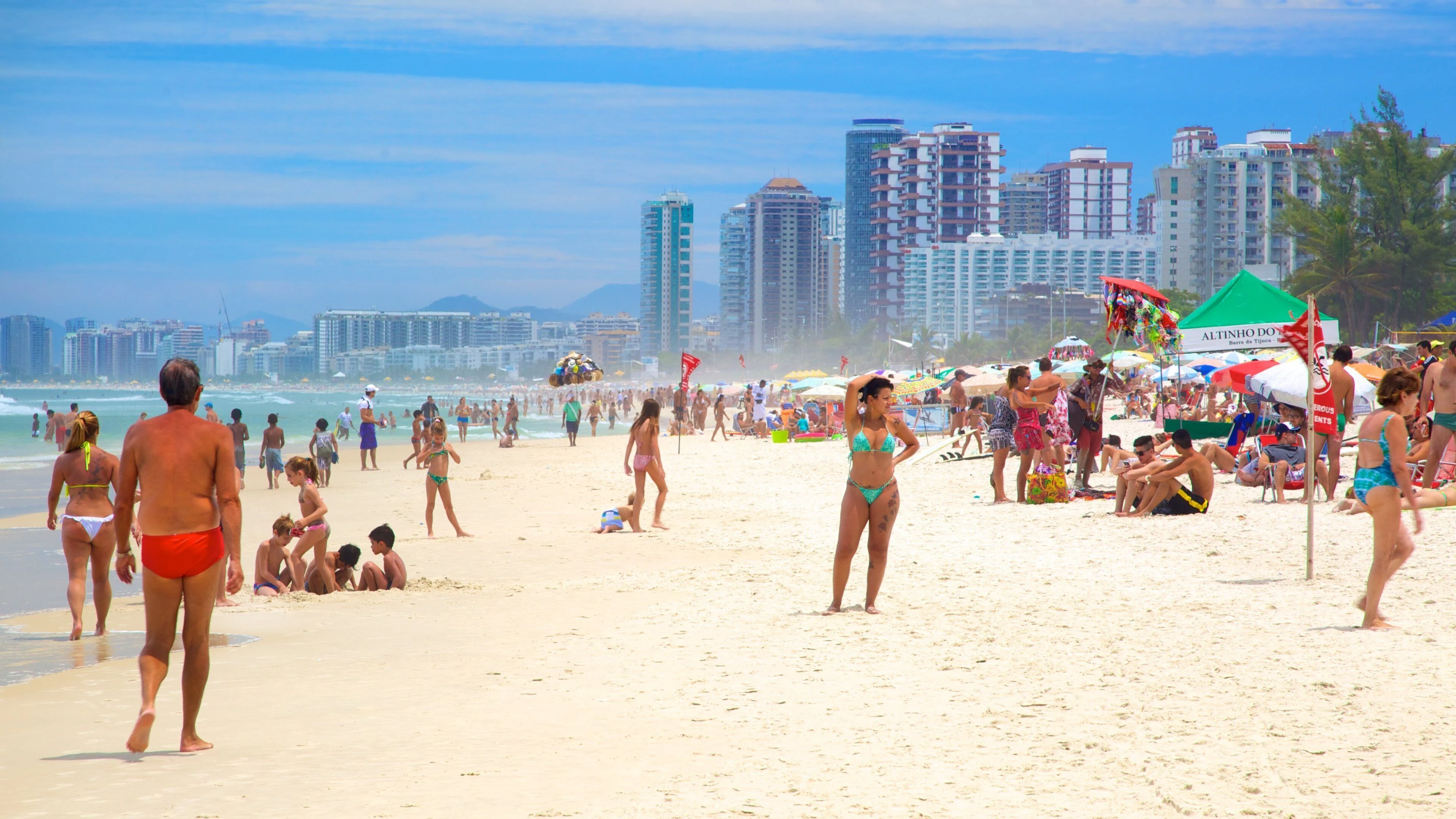
| Barra da Tijuca | Resort atmosphere, lower prices | $70 to $140/night | Good (but far from everything) |
I'd suggest Botafogo if you're on a budget and Ipanema or Leblon if you can spend more. Botafogo is about 12 minutes by metro from Ipanema, feels like a real neighborhood, has great mid-range restaurants, and costs much less than the beach districts. I stayed there last time and was glad I did.
Copacabana has the famous beach, but parts of it have become rundown. The Leme end, at the northern tip, is quieter than the busiest stretch. Ipanema and Leblon have nicer beaches, and their streets feel safer and more pleasant after dark.
What Rio Costs in 2026
Rio isn't cheap for South America. It generally costs more than Colombia or Bolivia and is closer to the pricier parts of Mexico. What you spend depends mostly on where you stay and whether you visit in a normal week or during Carnival or New Year.
| Category | Budget | Mid-Range | Peak Season (Carnival) |
|---|---|---|---|
| Accommodation (per night) | $35 to $70 (hostel/budget hotel) | $80 to $180 (hotel) | 2x to 3x regular price |
| Food (per day) | $15 to $25 (local restaurants, street food) | $35 to $65 | Similar to regular |
| Transport (per day) | $5 to $12 (metro, bus, some Uber) | $15 to $30 | Higher during closures |
| Activities (per day) | $10 to $20 | $25 to $60 | Sambadrome $30 to $400 |
| Daily Total | $65 to $127 | $155 to $335 | Add 50 to 100% |
The Brazilian real swings a lot against the dollar and euro, so your money can go noticeably further in one year than the next. Check the current rate before you set your budget, because a difference of 20 to 30% in either direction isn't unusual.
The Big Sights Worth Your Time
Christ the Redeemer (Corcovado)
Yes, you have to go. I rolled my eyes a bit before my first visit, since it's on every postcard. Then I rode the cog train up through the Tijuca Forest, stepped out with the whole city spread below, and understood the fuss. A train ticket including entry costs around R$100 for adults, a little more in high season. Buy online through the official Corcovado train website a few days ahead to skip the queues. Go early in the morning for the clearest views and the fewest people, and check the weather, because clouds can hide everything.
Sugarloaf Mountain (Pão de Açúcar)
The cable car to Sugarloaf costs roughly R$200 per adult and goes up in two stages, first to Urca hill and then to the top. Sunset is the best time, and also the busiest. The views over Guanabara Bay and back toward Christ the Redeemer are quite different from Corcovado's, so do both if you can. To save money, you can hike the short trail up Morro da Urca and take the cable car only for the second leg.
Selaron Steps
Free. Chilean-born artist Jorge Selarón spent years covering this staircase between Lapa and Santa Teresa with tiles, and it's one of the most striking public artworks anywhere. The 215 steps are decorated with tiles from more than 60 countries, many sent by visitors. There are good little restaurants nearby, and a short climb takes you up into Santa Teresa, an arty hillside neighborhood that feels like a village inside the city. Go in daylight, and keep an eye on your belongings.
Tijuca National Park
Many tourists skip it, and it's one of my favorite places in Rio. One of the world's largest urban forests sits right in the city, with trails, waterfalls and wildlife: toucans, marmosets and agoutis are common on morning walks. The Pedra da Gávea hike takes about 3 to 4 hours round trip and includes a steep rock scramble, but the views from the top beat Corcovado's. Hire a guide for the tougher hikes, and don't hike alone.
Maracanã Stadium
Maracanã is worth a visit even if football isn't your thing. Stadium tours run most days and take you through the tunnel, the dressing rooms and the museum. If there's a match while you're in town, go. The atmosphere at a Brazilian game is like nothing else in sport, and tickets for ordinary club matches often cost $15 to $30. Buy from the club's official channels and go with others.
Beyond the Tourist Trail
Lapa at Night: Lapa, with its 18th-century aqueduct that now carries the Santa Teresa tram, is Rio's best area for live music at night. The arches are lit up, and samba and forró spill out of the bars onto the streets. Take care here: go in a group or with a local, don't walk there or back alone, and use a ride-hailing car to arrive and leave. But live samba in a small Lapa bar at midnight beats any show put on for tourists.
Barra de Guaratiba: About an hour's drive from Ipanema, depending on traffic, this fishing village on Rio's far western edge is where Cariocas go for long weekend seafood lunches. Candido's is a local institution known for moqueca, a rich seafood stew, served in portions that easily feed two or three. Few foreign visitors make it out here.
Sunday Feira Hippie in Ipanema: Every Sunday, Praça General Osório in Ipanema fills with a big craft market selling art, handmade goods, clothing and snacks. Get there around 10 AM, before the heat and crowds build. Browsing is free, and the food stalls sell good local snacks at fair prices.
Botanical Garden (Jardim Botânico): One of South America's finest botanical gardens, with thousands of plant species across about 54 hectares, an avenue of towering imperial palms, giant Amazon water lilies and marmosets that behave as if they own the place. There's a modest entry fee. Go on a weekday morning, when it's quiet and feels like your own private jungle.
Food: What to Eat and Where
Brazilian food is more varied and more regional than most visitors expect. The clichés, feijoada (black bean and pork stew) on Saturdays and churrasco (barbecue) all week, exist because they're delicious. But there's much more to eat in Rio.
Eat pão de queijo (cheese bread) warm from a padaria (bakery) every morning. It's cheap, and it never tastes quite the same anywhere else. For lunch, per-kilo restaurants (restaurante por quilo) are the best value in town. You fill a plate at the buffet, weigh it and pay by weight, usually around R$30 to R$60 for a generous plate of rice, beans, salad, meat and sides. You'll find them all over Botafogo and the business districts.
Don't miss the fresh juice bars (casas de suco) on almost every corner, which blend açaí, passion fruit, cashew fruit and dozens more for a few reais. For a sit-down drink, neighborhood bars in Botafogo usually charge about half what beachfront places in Copacabana ask.
When to Go
Carnival (February or early March, depending on the year): The most spectacular time, and also the priciest, busiest and hardest to organize. If Carnival is the reason for your trip, start planning a year ahead. It's worth the effort.
April to June: My favorite window for Rio. After Carnival, hotel prices fall by 30 to 40%, temperatures sit at a comfortable 22 to 28 degrees, and there are far fewer tourists. June has its own party atmosphere too, with Festa Junina, the popular winter festivals of forró music, bonfires and street food held across Brazil.
July: Rio's winter. Temperatures drop to around 20 to 24 degrees, which is still warm by global standards. School holiday season domestically means some crowding and price uptick in July, particularly the first two weeks. The second half of July quietens.
August to November: A good shoulder season, with pleasant weather, manageable crowds and fair prices. October and November are especially nice as it warms up toward summer.
December and January: Summer in Rio, which means beach weather, a festive atmosphere, and the famous New Year's Eve (Réveillon) celebrations on Copacabana Beach that draw up to two million people. But it also means high prices, full hotels, and the hottest, most humid weather of the year. Réveillon is worth planning a whole trip around. But if you just want a good trip to Rio, this isn't the time for value.
Yes. Its scary reputation isn't made up, but it's out of proportion. Use city sense every day and you'll get the mountains, the beaches, music in Lapa at 1 AM, the view from Corcovado and the easy charm of Carioca life. For the best value, go in April or May. If Carnival is the point, go in February. Either way, sort out your visa early and keep your phone in your pocket more than you think you need to.