Schengen Visa Application 2026: Step-by-Step Guide for Nigerian and African Passport Holders
Whether you get a Schengen visa depends a great deal on how well your application proves your situation, not just on the situation itself. Treat it as a form to fill in and you may be refused. Work out what the consulate needs to be convinced of and show it clearly, and your chances improve a lot.
The Schengen visa is one of the most applied-for travel documents in the world and, for Nigerian and many African passport holders, one of the most frequently encountered barriers between a planned trip and an actual trip. In 2024, 45.9% of Schengen visa applications from Nigerians were refused, one of the highest rates in the world and far above the global average of around 18%. Knowing why applications fail, and what a strong one looks like, can improve your odds a lot.
This guide explains how the application works, what officers look for, what most refusals have in common and what successful applicants do differently. There are no shortcuts. What works is a complete, truthful application with solid proof of your ties to Nigeria and your ability to pay for the trip.
What the Schengen Visa Covers
A Schengen visa (officially a short-stay or Type C visa) lets you travel across 29 European countries for up to 90 days in any 180-day period. These countries have largely open borders with each other, so once you're in, you can move between them without another visa.
The 29 Schengen countries are Austria, Belgium, Bulgaria, Croatia, Czechia, Denmark, Estonia, Finland, France, Germany, Greece, Hungary, Iceland, Italy, Latvia, Liechtenstein, Lithuania, Luxembourg, Malta, the Netherlands, Norway, Poland, Portugal, Romania, Slovakia, Slovenia, Spain, Sweden and Switzerland. The UK, Ireland and Cyprus are not part of the Schengen Area and have their own visa rules.
Which Embassy to Apply To
Apply to the country where you'll spend the most nights, your "main destination." If you'll spend about the same time in several countries, apply to the one you'll enter first. Don't pick a country just because you've heard it's easier. Consulates check, and an itinerary that doesn't match the country you applied to is a common reason for refusal.
Most Schengen countries take applications in Nigeria through visa centers run by companies such as VFS Global, TLScontact or BLS International, in Lagos and Abuja. Check the embassy's own website for which center to use, the current fee and appointment waiting times, which can be long in peak season.
Required Documents
Application form and photos
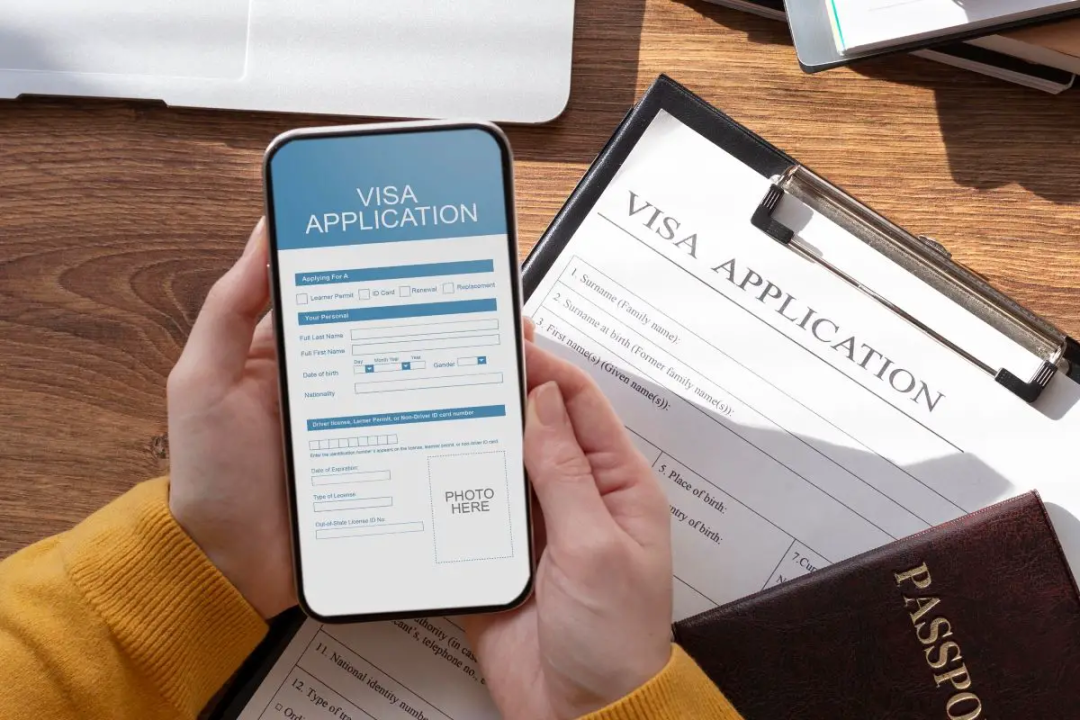
Fill in the official application form carefully and completely, and bring passport photos that meet the Schengen specifications (35mm by 45mm, plain light background, taken within the last six months). Most applicants also give fingerprints at the visa center. The standard visa fee for adults is €90. Incomplete or inaccurate forms often lead to refusals.
Valid passport
Your passport must have been issued within the last 10 years, be valid for at least three months after you plan to leave the Schengen Area, and have at least two blank pages. Include copies of previous Schengen, UK, US or Canadian visas, because a record of past visas used properly makes a big difference.
Flight itinerary and accommodation proof
Provide a flight reservation or a refundable ticket. You don't need to buy a non-refundable ticket before your visa is approved, but the reservation must be real and verifiable. Avoid agents selling "dummy tickets" that can't be checked with the airline. You also need proof of where you'll stay every night, such as hotel bookings or an invitation letter from your host with proof of their address and residence status. Consulates compare your flight dates with your bookings, so they must match.
Financial evidence (checked most closely)
Six months of bank statements showing enough money for your trip. Each country sets its own daily amount, often somewhere between about €50 and €120 a day, so check the embassy's figure. The statements should show normal, steady activity. A large deposit just before you apply is a red flag unless you can prove where it came from. If an employer or relative is paying, include their bank statements, a signed sponsorship letter and proof of your relationship.
Employment and income proof
Employed: letter from employer confirming your position, salary, approved leave dates, and expected return. Three to six months of payslips. If you're self-employed, your CAC registration documents, tax clearance certificate, and business and personal bank statements. These documents do double duty: they show how you'll pay for the trip and why you'll come home.
Travel insurance
Travel medical insurance is compulsory. It must cover at least €30,000 for medical emergencies and repatriation, be valid in every Schengen country, and cover your whole stay. Buy it before you apply and include the certificate, and check that your insurer is one the embassy accepts.
Proof of ties to Nigeria
In borderline cases, this is often what decides the outcome. Include property documents such as title deeds or a Certificate of Occupancy, family documents such as your marriage certificate and your children's birth certificates, proof of business commitments, and anything else that shows you need to come back. The officer needs to be confident you're a genuine visitor who will leave on time.
Why Applications Get Rejected
The refusal reasons consulates give most often are: not enough proof of funds, doubts about whether you'll return, documents that don't match (flight dates that don't line up with bookings, for example), incomplete forms and an unclear reason for the trip.
Past history matters too. Earlier refusals from any country can count against you, especially if you didn't fix the problem. A record of visas you used properly helps a lot. If this is your first application, a trip or two to easier destinations first can help build that record.
Practical Tips for Nigerian Applicants
Apply early. Consulates usually decide within 15 days, but it can take up to 45 days, and summer and December are busy. You can apply up to six months before your trip and no later than 15 days before. From Nigeria, aim for at least six to eight weeks ahead, because appointment slots can be hard to get.
Explain anything unusual. If something in your finances, job or travel history might raise questions, deal with it in a cover letter instead of hoping it goes unnoticed. A clear, calm letter setting out why you're going, your plans, how you're paying and why you'll return makes your application much stronger.
Never submit false documents. Everything must be real and consistent. Fake bank statements, borrowed funds made to look like savings and invented job letters are fraud. They can get you banned from the Schengen Area for years, and consulates do verify documents. A truthful, complete and well-organized application is what works.
In the end, the officer is asking one thing: will this person leave Europe on time? A steady job, healthy finances, property, family commitments and past travel all help answer that in your favor. Show a clear reason for the trip, enough money to pay for it and strong reasons to come home, and back each one up with documents. No application is guaranteed, but that's what gives yours the best chance.