Southeast Asia Travel Guide 2026: Best Countries to Visit, How Much It Costs, and When to Go
People often talk about Southeast Asia as if it were one place. It's eleven very different countries, with different prices, visa rules, weather and cultures. Which country, or combination of countries, you choose will shape your whole trip.
I've been to seven of those eleven countries. Not all in one trip, and not all with equal depth. But I've seen enough, and made enough mistakes, to have a clear view of who each country suits. The region is still one of the best-value places in the world to travel. Prices are up 10 to 20% on a few years ago, but it's still far cheaper than Europe or North America for a similar standard.
To put the price gap in perspective, a month in Vietnam and Laos can cost about the same as a week in Singapore.
The Full Cost Comparison for 2026
Let's start with the numbers, because the rest of your planning depends on them.
| Country | Budget/Day | Mid-Range/Day | Visa Ease | Best For |
|---|---|---|---|---|
| Laos | $20 to $30 | $50 to $80 | Visa on arrival or e-visa (30 days, fee varies by nationality) | Slow travel, nature, peace and quiet |
| Cambodia | $22 to $35 | $55 to $90 | e-Visa available ($36 for 30 days) | History, temples, low cost |
| Vietnam | $25 to $40 | $55 to $90 | e-Visa for all nationalities ($25, 90 days) | Food, variety, history |
| Indonesia (excl. Bali) | $25 to $40 | $55 to $90 | Paid visa on arrival or e-VOA for many nationalities | Nature, diving, islands |
| Thailand | $30 to $50 | $70 to $130 | Visa-free for many passports (check current length) | Easy travel, food, variety |
| Malaysia | $30 to $55 | $70 to $120 | Visa-free 30 to 90 days for many nationalities | Food, cities, Borneo |
| Philippines | $35 to $60 | $75 to $130 | Visa-free 30 days for many nationalities | Islands, diving, beaches |
| Bali, Indonesia | $40 to $65 | $90 to $160 | Paid visa on arrival or e-VOA for many nationalities | Surfing, wellness, beach clubs |
| Singapore | $80 to $120 | $150 to $250 | Visa-free for many nationalities | Food, transit hub, luxury |
A quick note on these numbers: budget tier assumes dorm accommodation or cheap guesthouses, street food and local restaurants, public or shared transport, and mostly free activities. Mid-range assumes private rooms in decent hotels, a mix of local and tourist restaurants, occasional taxis or private transport, and paid activities like diving or cooking classes. Prices have risen in recent years but are still excellent value by world standards. Nigerian passport holders need a visa or e-visa for every country in the table except Cambodia (e-visa or visa on arrival), so check each country's rules before booking.
When to Go
You'll often hear that November to April is the best time for Southeast Asia. That's broadly true, but the region is so big that the weather varies a lot from place to place. Here's a more useful breakdown.
November to February is peak season across most of Southeast Asia. The weather is drier and a little cooler across mainland Southeast Asia, and conditions are great on Thailand's Andaman coast (Phuket, Krabi), in southern Vietnam and in Cambodia. Indonesia is a big exception, since this is its rainy season. Book early for December and January, when hotel prices rise 20 to 40%.
March and April get very hot across mainland Southeast Asia. Temperatures in Bangkok, Hanoi, and Phnom Penh regularly hit 35 to 40 degrees Celsius. But crowds thin out, prices fall, and these months are good for Borneo and for much of the Philippines, including Siargao and the Visayas. Songkran, Thailand's New Year water festival, is in mid-April. It's a blast if you want to join in and a headache if you don't.
May to October is the rainy season across much of mainland Southeast Asia. That rarely means rain all day. More often there's a heavy downpour in the afternoon that clears by evening, leaving the mornings free for sightseeing. Hotel prices can be 30 to 60% lower than in peak season. Indonesia runs the other way: Bali and Lombok are at their driest from about May to September. Vietnam's central coast, around Hoi An and Da Nang, is mostly dry from February to August, while the north is hot and wetter in summer. In the Philippines, typhoons are most likely from roughly July to November, so build some flexibility into island-hopping plans.
If your dates are flexible, consider May or early June. Hotels are much cheaper, crowds are thinner, and in many places the rains haven't reached their peak. I once went to Thailand in May expecting a washout and had one of my cheapest, most relaxed trips.
Thailand in 2026
Thailand
Mid-BudgetThailand is still the easiest country in the region for a first visit. Everything is simple to book, English is widely spoken in tourist areas, transport between cities runs smoothly, and the food is excellent at every price. If this is your first time in Southeast Asia, it's the gentlest place to start.
The flip side is that the busiest areas, like Phuket, Koh Samui, Chiang Mai's Night Bazaar and Bangkok's Khao San Road, can feel built purely for tourists. The Thailand that keeps people coming back is often in quieter places: the mountains around Pai, the Isan region in the northeast, and smaller islands such as Koh Lanta and Koh Mak. It's worth getting off the main route.
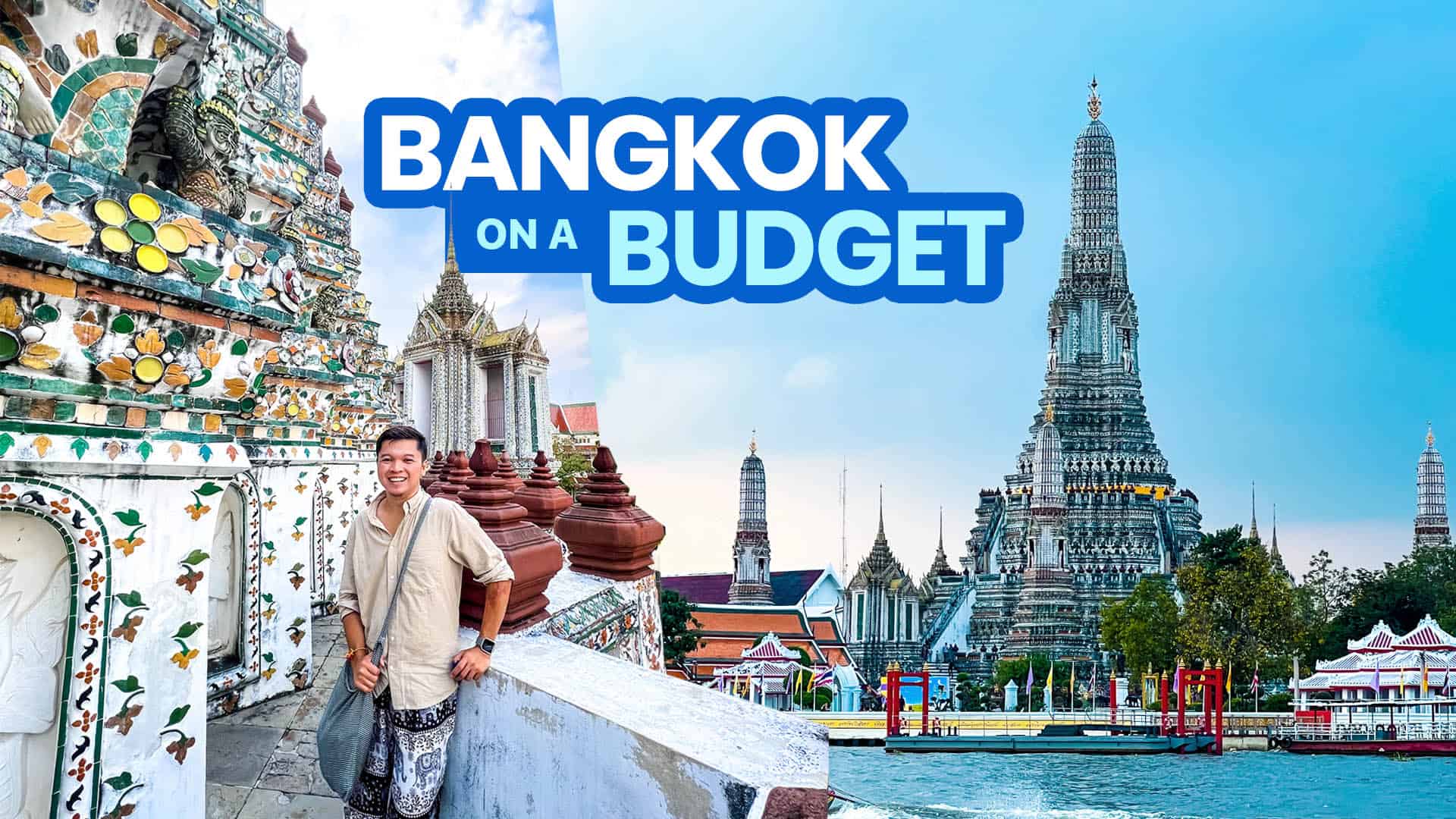
Thailand has long planned a 300 baht tourism fee for international arrivals, but its start date has been pushed back several times, so check whether it applies when you travel. Everyone now has to complete the free online Thailand Digital Arrival Card before landing. The Destination Thailand Visa (DTV) lets remote workers and freelancers stay 180 days per entry, which has made Thailand a big base for digital nomads. In 2024 the visa-free stay for many nationalities was extended to 60 days, but the government has discussed cutting it again, so confirm the current rule before you go. For a comprehensive Bangkok guide, see our dedicated Bangkok Travel Guide 2026.
Vietnam in 2026
Vietnam
Budget-FriendlyVietnam is my favorite country in Southeast Asia, mainly because of the food. Every city cooks differently. Hanoi's pho is different from Ho Chi Minh City's pho. Hoi An has its own white rose dumplings and cao lau noodles you can't find elsewhere. Da Nang has mi quang. You could eat your way around for a month and still not try everything.
Vietnam is also one of the longest countries in the region geographically, running roughly 1,600 kilometers from north to south, which means it has enormous variety within its borders. The north (Hanoi, Sapa, Ha Giang, Ha Long Bay) feels very different from the center (Hue, Da Nang, Hoi An) and the south (Ho Chi Minh City and the Mekong Delta). Three weeks goes by quickly.
One warning: you need to watch out for tourist pricing a bit more than in Thailand. Unofficial taxis in Hanoi and Ho Chi Minh City often overcharge, and vendors in tourist areas may quote much higher prices than locals pay. Download Grab before you land and use it for rides. A haggled taxi fare in Hanoi can easily be 50 to 70% above the Grab price. Otherwise Vietnam is great value: pho for $1.20 to $1.80, banh mi for under $1, and a full street food dinner for $3 to $6.
Vietnam's e-visa is open to all nationalities, usually takes 3 to 5 working days, and costs $25 for a 90-day single entry. Apply only through the official Vietnam e-visa website, because copycat sites charge much more for the same thing.
Indonesia (Including Bali) in 2026
Indonesia
Budget to Mid-RangeWhen people say "Indonesia," they usually mean Bali, but Bali is a tiny part of the country. The country has 17,000 islands, the world's fourth-largest population, and a range of landscapes from the rice terraces of Bali and Lombok to the savannah and Komodo dragons of Nusa Tenggara, the ancient Borobudur temple complex in Java, and some of the world's finest diving in Raja Ampat and Komodo National Park. Few countries on earth offer so much variety.
Bali has become much more expensive in recent years. In Canggu, the digital nomad hub in the south, cafe prices can rival Europe's and some villas charge European hotel rates. You can still find good value in the north and east (Amed, Lovina) and in Ubud's quieter corners, but the southern beaches aren't the budget haven they were in 2019. A comfortable budget trip in Bali now costs about $40 to $65 a day. That's still good value, but it's more than older guides suggest.
Away from Bali, costs fall quickly. The Gili Islands off Lombok are more relaxed and slightly cheaper than Bali for comparable beach experiences. Lombok itself has the added appeal of Mount Rinjani, one of the best multi-day hikes in Southeast Asia. Komodo National Park is visited by boat from Labuan Bajo, with rangers guiding walks on the islands, and park fees on top of your tour price. Seeing Komodo dragons in the wild is unforgettable. Raja Ampat, off West Papua, is expensive to reach, but serious divers rank its reefs among the best on earth.
Cambodia in 2026
Cambodia
Cheapest in RegionCambodia is one of the cheapest countries in the region and has some of its most moving history. Angkor Wat, the largest religious monument in the world, is worth the trip on its own. But there's more to Cambodia than temples. Phnom Penh faces the horrors of the Khmer Rouge years openly. The Tuol Sleng Genocide Museum and the Choeung Ek memorial are hard to visit but important, and they help you understand the country you're traveling through.
The sleepy riverside town of Kampot in the south is one of my favorite places in Southeast Asia to slow down. It's quiet and local, and it's famous for its pepper, which top chefs around the world prize. You can visit the pepper farms and buy it straight from the growers for very little. On a budget, Kampot costs around $25 to $30 a day.
Malaysia in 2026
Malaysia
Mid-BudgetMalaysia is the most underrated country on the Southeast Asia trail. Many travelers spend a day or two in Kuala Lumpur and move on, which misses most of what it offers. Many food lovers rate Penang's street food as highly as Singapore's, for a fraction of the price. In George Town's UNESCO-listed old town, Chinese, Indian and Malay cooking sit side by side, and the mix is unlike anywhere else in Asia.
Malaysian Borneo (Sabah and Sarawak) feels like a different country. Kota Kinabalu is the base for climbing Mount Kinabalu, one of Southeast Asia's highest peaks, and the Kinabatangan River and Danum Valley are among the easiest places on earth to see wild orangutans and proboscis monkeys. Combine Kuala Lumpur, Penang and a few days in Sabah and you have one of the best trips in the region. English is taught in schools and widely spoken, so getting by is easy.
Routes That Work
People planning Southeast Asia tend to cram in too many countries or never leave one. Here are routes that fit the time most people have.
Two Weeks: Pick One Country and Go Deep
Two weeks in one country is almost always a better trip than two weeks across three. Vietnam from Hanoi to Ho Chi Minh City by train (stopping in Hue, Da Nang, and Hoi An) is one of the best two-week trips in Southeast Asia. Thailand's Bangkok, Chiang Mai and one southern island works beautifully. So does Bali plus Lombok or Komodo. Try to fit in more countries and you'll spend much of your time in transit.
Three to Four Weeks: Two Countries Max
Thailand and Vietnam is the classic pairing: fly into Bangkok, spend a week in Thailand, fly to Hanoi, train south through Vietnam, fly home from Ho Chi Minh City. Or Vietnam and Cambodia: fly into Hanoi, work south to Hoi An and Ho Chi Minh City, cross overland to Phnom Penh and Siem Reap for Angkor Wat. Two countries leave you time to settle into each place instead of just passing through.
Six Weeks to Three Months: Build It Around Your Budget
Start with the cheapest countries (Cambodia, Vietnam, Laos) to extend your budget, then move to slightly pricier options (Thailand, Malaysia) as you've found your footing. Use AirAsia, VietJet, Scoot and Jetstar for regional flights. With flexible dates, many one-way fares cost $20 to $60 before bags. The AirAsia app often runs sales that make hopping between countries very cheap.
Southeast Asia isn't one budget destination. Vietnam and Cambodia on $30 a day is realistic. Thailand on $30 a day takes discipline and a few sacrifices. Singapore on $30 a day isn't possible once you add a bed and food. Work out a separate budget for each country and your numbers will make far more sense.
Getting Around: Trains, Buses, and Budget Airlines
Getting around the region has become easier in recent years. Here's what's useful to know.
Thailand's train network is slow but atmospheric. The overnight sleeper from Bangkok to Chiang Mai takes around 11 to 13 hours, costs roughly $15 to $40 depending on the class, and is a memorable trip in itself. For speed, Bangkok Airways and Nok Air have frequent Bangkok-Chiang Mai flights for $30 to $70 booked in advance.
Vietnam's north-south railway is one of Asia's great train rides. The Reunification Express from Hanoi to Ho Chi Minh City stops at Hue, Da Nang (for Hoi An) and Nha Trang, and the stretch over the Hai Van Pass is stunning. Booking through Baolau or the official Vietnam Railways site is easy and prices are very reasonable. A Hanoi to Hue sleeper costs about $20 to $30.
Budget airlines are very cheap if you book ahead. AirAsia has the biggest regional network, with VietJet, Scoot and Jetstar covering many routes too. Bangkok to Kuala Lumpur or Hanoi to Singapore often costs under $60 one way before bags when you book early.
Grab is the transport app across the entire region. It works in Thailand, Vietnam, Malaysia, Singapore, the Philippines, Cambodia, and Indonesia. You see the price before you book, so there's no haggling. Compared with unmetered taxis, it often saves 30% or more.
Best for first-timers: Thailand. Best for food: Vietnam, with Malaysia close behind. Best value: Cambodia and Laos. Best for nature: Indonesia. Best beaches: the Philippines, especially Palawan and Siargao. Best for digital nomads: Thailand (Chiang Mai and Bangkok) or Bali. And if I had just two weeks to go anywhere in Southeast Asia, I'd pick Vietnam without a second thought.