UK Visit Visa 2026: How to Apply from Nigeria, Documents Required, and Why Applications Get Refused
A UK visa refusal often arrives with just a few lines of standard wording, even when the applicant sent months of bank statements, a job letter and a steady work history. Yet the same person, presenting the same facts more clearly and showing their ties to Nigeria properly, is often approved next time without anything in their life having changed.
The process is demanding for Nigerians, and Nigerian applicants are refused far more often than applicants from many other countries. Knowing why refusals happen, and what a strong application looks like, gives you a much better chance.
What the UK Standard Visitor Visa Covers
The Standard Visitor Visa (sometimes called the UK visit visa) allows Nigerians to enter the United Kingdom for tourism, visiting family or friends, attending business meetings or conferences, short-term study courses of up to six months, and private medical treatment. It does not permit you to work, take paid employment, or study on a formal degree course.
The visa is typically issued for 6 months, 2 years, 5 years, or 10 years. The duration shown on the visa is not the same as how long you can stay per visit. Regardless of whether your visa is valid for 2 years or 10 years, each individual visit is limited to a maximum of 6 months. The longer-term visas allow you to make multiple visits over that period without reapplying each time.
First-time applicants normally apply for, and receive, a 6-month visa. Once you have a record of visiting the UK and leaving on time, applying for a 2-year or longer visa becomes more realistic. If you apply for a long visa and the officer decides to grant a shorter one, you don't get the difference in fees back.
Fees and Processing Times in 2026
Fees went up on 8 April 2026. The current fees are shown below, with naira figures at about N2,010 to the pound:
| Visa Type | Fee (GBP) | Approximate Naira |
|---|---|---|
| Standard Visitor Visa (up to 6 months) | GBP 135 | N271,000 |
| 2-year visitor visa | GBP 506 | N1,017,000 |
| 5-year visitor visa | GBP 903 | N1,815,000 |
| 10-year visitor visa | GBP 1,128 | N2,267,000 |
Fees aren't refunded if you're refused, which is a big reason to get your application right the first time.
Where it's offered, the Priority service costs an extra GBP 500 and aims for a decision within about five working days. Super Priority costs GBP 1,000 and aims for a decision by the next working day. The UK's standard target for visit visas is three weeks, but it can take longer in busy periods such as summer and December. Paying for priority speeds up the decision, not your chances of approval.
You apply online at gov.uk and then attend an appointment at a VFS Global visa application center in Lagos or Abuja, where your fingerprints and photo are taken. Depending on the service you choose, you'll either upload your documents yourself or have them scanned at the center.
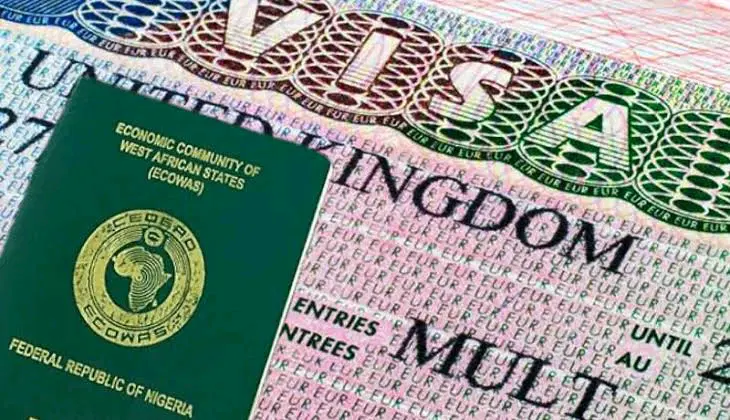
Digital visas: The UK is replacing physical immigration documents with digital eVisas linked to your passport. Depending on when and how you apply, a visit visa may still be a sticker in your passport or may be an eVisa you access through a UKVI account. Follow the instructions in your decision letter, and if you have an eVisa, travel with the same passport you used to apply.
The Full Document Checklist
The UK doesn't publish a minimum bank balance. Based on Home Office guidance and the experience of immigration advisers, these are the documents that make a strong application from Nigeria.
Identity and Immigration Documents
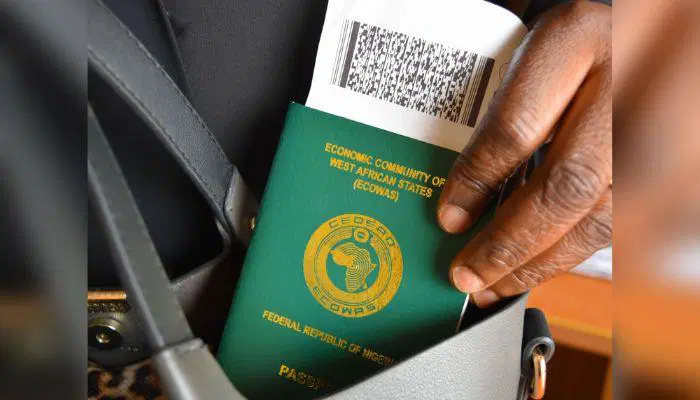
Your current valid Nigerian passport, with at least 6 months validity beyond your intended return date and at least one blank page. Include old passports that show UK visas or other international travel. A record of visas used properly, with evidence that you came home each time, is one of the strongest things you can show.
Financial Evidence (Checked Most Closely)
Six months of bank statements. Official statements from your bank, stamped or with a covering letter, are more convincing than screenshots from a banking app. Make sure your name and account number appear clearly and that no months are missing.
Officers look at the pattern as much as the balance. They want to see regular money coming in, such as salary or business income, over the whole six months. A balance that sat low for months and then jumped by millions of naira just before you applied is one of the most common red flags. It suggests the money was borrowed or moved in to make you look better off, unless you can prove where it came from.
There's no magic number. What matters is that you can clearly afford the trip, including flights, accommodation and daily costs, without leaving yourself short, and that your savings make sense for the income shown in your job documents. Showing that a trip costing more than your yearly salary is affordable, for example, will be hard.
Employment and Income Evidence
If employed: a letter on official company letterhead from your employer confirming your position, your salary, that you have been granted approved leave for the dates of your trip, and that your position will be waiting for you on your return. Three to six months of recent payslips that match the salary stated in the employment letter. The salary on your payslips should match the salary payments in your bank statements. Any mismatch is a red flag.
If you're self-employed: your CAC registration documents, personal and business bank statements for the last six months, and a tax clearance certificate. A letter from your accountant confirming your income and business activity helps too.
Evidence of Strong Ties to Nigeria
Doubts about whether you'll return are behind a large share of refusals. The officer must be satisfied that you'll go back to Nigeria when your visit ends. Documents that help include:
Property ownership: deed of assignment, certificate of occupancy, or recent utility bills in your name at a Nigerian property. If you rent, a tenancy agreement and landlord details. Family responsibilities: birth certificates of children who live with you in Nigeria, marriage certificate, evidence of dependants who rely on you. Professional or business obligations: upcoming contracts, board meeting invitations, academic responsibilities, or evidence of ongoing business activities that require your presence in Nigeria.
In borderline cases, this section often decides the outcome. A 35-year-old with a steady job, a home and two school-age children in Lagos has a strong profile. A 28-year-old who has just started a job and has no property or family commitments will face more questions. That isn't because they're dishonest. There's simply less evidence of a reason to come home.
Trip Documentation
Details of your planned flights. The UK advises against buying tickets before you have a decision, so a reservation or itinerary is fine. Hotel reservations or a confirmed invitation letter from your UK host that includes their name, address, relationship to you, and confirmation that you are welcome to stay with them. If staying with a host, they should provide a copy of their proof of UK immigration status (settled status document, BRP, or British passport) and proof of their UK address (recent utility bill).
A detailed cover letter explaining who you are, the purpose of your visit, your planned itinerary, where you will stay, and why you intend to return to Nigeria. It doesn't need to be long, but it should be clear and specific about why you're visiting and why you'll leave. A letter that deals with likely concerns before the officer raises them is worth the effort. A generic one-paragraph letter adds nothing.
Why Applications Get Refused: The Main Reasons
Officers assess applications against the visitor rules in Appendix Visitor of the Immigration Rules. Most refusals for Nigerian applicants come down to one or more of these problems:
Not satisfied you're a genuine visitor who will leave at the end of your visit. This is the most common reason. It usually means weak evidence of ties to Nigeria, little travel history, or circumstances that suggest you might try to stay.
Not satisfied you can pay for your trip. The officer isn't convinced you have enough money of your own, or reliable support from a sponsor, to cover the visit. This usually follows low or erratic balances, big unexplained deposits just before applying, or a mismatch between your stated income and your bank activity.
Funds that look parked for the application. Refusal letters often point out large sums paid into an account shortly before applying. If your balance suddenly jumps in the weeks before you apply, explain where the money came from and include proof, or expect it to count against you.
Inconsistent documentation. The salary on your employment letter does not match the payments in your bank statement. The address on your accommodation booking does not match the address on your invitation letter. The dates on your flight booking do not align with the dates on your hotel confirmation. Officers check every document against the others, and even small inconsistencies can make them doubt the whole application.
Practical Tips for a Strong Application
Apply at least 6 to 8 weeks before you plan to travel. You can apply up to three months before your trip. Even with priority processing, getting an appointment and a decision takes time, and June to August and November to December are especially busy.
Organize your documents clearly. Officers handle huge numbers of applications, so name uploaded files clearly and group them by type: finances, employment, travel plans and ties to Nigeria. A jumble of badly scanned pages makes it easier for important evidence to be missed.
If you've been refused before, read the refusal letter carefully and deal with every point it raises. An application that ignores the earlier reasons will almost certainly be refused again. Take the time to fix the real weaknesses rather than sending the same documents.
Never submit false documents. Using deception can get you banned from the UK for up to 10 years, and officers routinely verify bank statements and employment letters. A truthful application with a weaker profile has far better long-term prospects than a strong-looking one built on fake paperwork.
After a Refusal
There's no right of appeal against a visitor visa refusal. You can reapply at any time, ideally once you can deal with the concerns raised, but you can't challenge the decision at a hearing. In rare cases, people with legal advice pursue a judicial review, which is expensive and complex.
When you reapply, the officer can see your earlier refusal. Declare it on the form. Pretending it never happened counts as deception, which leads to a refusal and can bring a ban.
High refusal rates don't mean you can't succeed. Many thousands of Nigerians are granted UK visit visas every year. Successful applications tend to have the same things in common: a real reason for the trip, finances built up over time, well-documented ties to Nigeria, documents that agree with each other, and a clear cover letter. None of that needs special circumstances, just preparation.
The Application Process Step by Step
Knowing the steps in order helps you avoid incomplete applications and missed appointments.
Step 1: Complete the online application form. Go to gov.uk and search for "Standard Visitor visa." The online form takes roughly 45 to 90 minutes to fill in carefully. You will be asked about your employment, your travel history, your reasons for visiting the UK, your financial situation, and whether you have any criminal convictions or visa refusals. Answer every question truthfully and fully. Differences between your form and your documents often lead to refusals.
Step 2: Pay the visa fee. The current Standard Visitor fee is GBP 135. Payment is made online when you submit the application form. Fees are charged in GBP and debited at your card's prevailing exchange rate. The fee is non-refundable regardless of the decision on your application.
Step 3: Book your biometrics appointment. After you submit the form and pay, you book an appointment at a VFS Global center in Lagos or Abuja. Check the exact address in your booking confirmation. Your fingerprints and photo are taken there. Upload your documents beforehand if your service allows it, or bring the complete set to the appointment.
Step 4: Attend the appointment. Your application and documents go to UK Visas and Immigration (UKVI), where an entry clearance officer decides the case. Unlike the US visa, most visitor visa applicants never have an interview, although UKVI can occasionally call you for one.
Step 5: Wait for a decision. The standard target is three weeks from your appointment, but it can take longer in busy periods such as June to August and December. With Priority, the target is about five working days.
Step 6: Get your decision. You'll receive a decision letter and, if you submitted your passport, collect it from VFS Global. If you're approved, your visa will be either a sticker in your passport or an eVisa, as explained in your letter. If you're refused, the letter explains why.
What Makes an Application Stronger
Beyond the basic checklist, a few things make a real difference for Nigerian applicants.
Previous approved visas and travel stamps. A Nigerian applicant who has previously been issued and used visas for Canada, Schengen countries, the US, Japan, or Australia, and who returned to Nigeria after each visit, looks far stronger than someone applying for their first visa. Include old passports with those visas, even if they've expired. Past travel is one of the best signs that you're a genuine visitor.
A well-written and specific cover letter. Many applicants attach a brief, generic letter that says little more than "I am applying to visit the UK as a tourist." The letters that help applications are specific. They name the places you plan to visit and why. They explain the relationship with anyone you are visiting. They address your timeline for the visit and explain when you are returning to Nigeria and why. A letter that anticipates what might worry an officer about your profile, especially your ties to Nigeria, is far more useful than a general statement that you're a tourist.
Property documents. Owning property in Nigeria is one of the strongest ties you can show. If you own property, include the Certificate of Occupancy, deed of assignment, or other title documents, and supplement them with recent utility bills that show you are actively using the property. If you do not own property, tenancy agreements and evidence of ongoing rent payments serve a similar purpose, though they carry slightly less weight because they are easier to terminate.
Consistent documentation over time. A bank account that has been open for years and shows consistent, organic activity is more convincing than an account opened recently specifically to demonstrate financial capacity. If your account is new, it may be worth waiting until you have a year or more of steady activity to show.
A sponsor's letter that adds real information. If you're visiting family or friends, their letter and documents matter a lot. The best sponsor letters confirm the relationship clearly, provide the UK address where you will stay, confirm the length of your planned stay, state that the sponsor is aware of your application and supports it, and include the sponsor's own immigration status documents and financial evidence. A sponsor who is a British citizen or has indefinite leave to remain provides stronger support than one on a time-limited visa.
Costs Beyond the Visa Fee
The GBP 135 fee isn't the only cost of applying from Nigeria.
A standard appointment at a VFS Global center is included, but VFS sells optional extras, such as document scanning help, premium appointment slots and courier returns, which can add a noticeable amount. Only pay for the ones you need.
If you choose Priority, add GBP 500 (about NGN 1,005,000). It can be worth it if your travel date is fixed, since standard decisions can take longer than three weeks in busy periods.
Document preparation costs are variable but real. Bank statement certification at your branch, letter drafting assistance if you use a professional, and document translation (if any of your supporting documents are not in English) all add to the total preparation cost.
For a 6-month visa with standard processing, a realistic total including the visa fee, any optional VFS extras and document costs is roughly NGN 300,000 to 450,000, before a single flight or hotel night. Keep that in mind when you compare the UK with destinations that have cheaper visas or none at all.
What the UK Is Like When You Get There
One practical note that often surprises first-time Nigerian visitors to the UK: the cost of daily life is high relative to most other international destinations. A meal at a mid-range London restaurant runs GBP 15 to 30 per person. Public transport in London, while excellent, costs GBP 2.50 to 6 per journey on the Tube. A budget hotel in Central London runs GBP 80 to 150 per night. A full week in London, including a room, food and sightseeing, costs roughly GBP 1,000 to 1,600 per person, about NGN 2 million to 3.2 million at current rates, before your flight from Lagos.
Cities outside London are significantly more affordable. Manchester, Edinburgh, Birmingham, and Cardiff all offer lower accommodation prices and cheaper day-to-day costs. If you're visiting as a tourist rather than staying with family in London, splitting your time between London and one or two other cities can give you a richer trip for less money.
Transport between UK cities is well-served by trains, which are reliable but can be expensive if booked close to the travel date. Booking train tickets in advance through National Rail (nationalrail.co.uk) or Trainline, particularly for journeys between London and major cities, often costs 30 to 60% less than buying on the day. National Express and Megabus offer coach connections between cities at lower prices than trains, at the cost of longer journey times.