US Tourist Visa (B1/B2) 2026: How to Apply, Documents Required, Interview Tips, and What to Expect
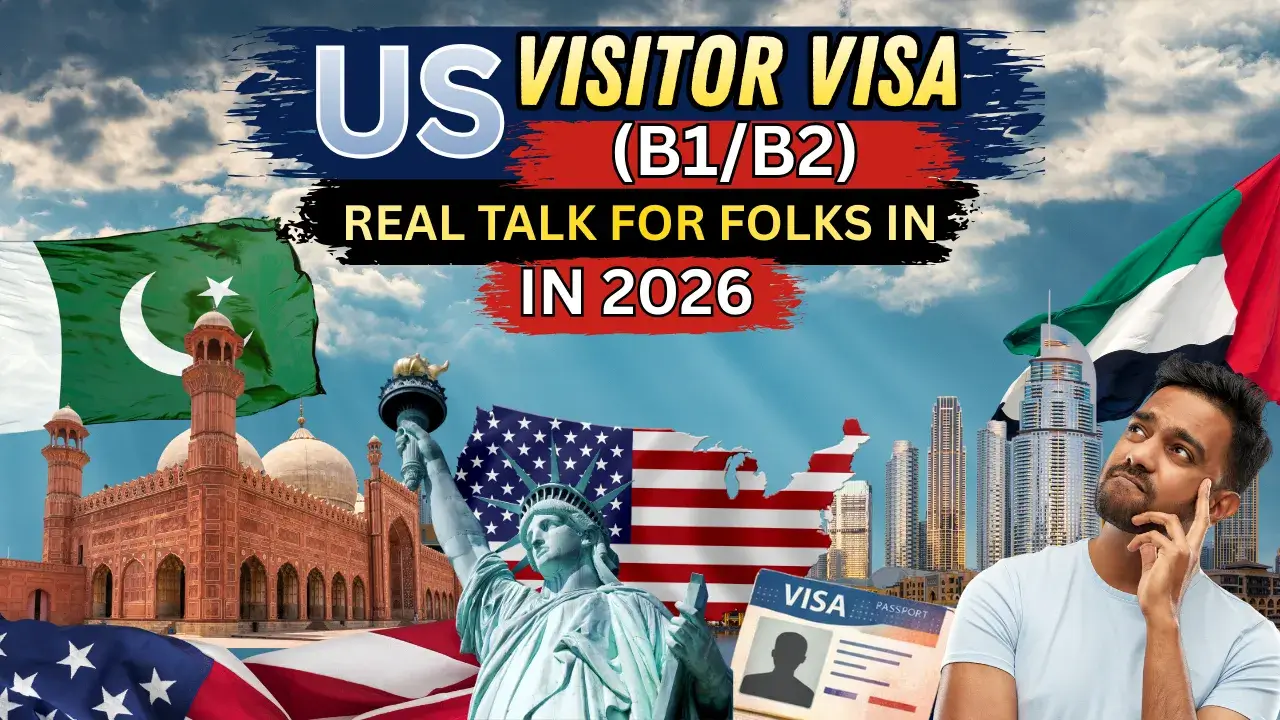
A US visitor visa refusal usually comes with very little explanation: a slip of paper and a reference to section 214(b) of the Immigration and Nationality Act, which simply means the officer wasn't convinced you'll leave the US when your visit ends. Often the difference between a refusal and an approval is how clearly the applicant shows their finances, their plans and their ties at home, not a change in their circumstances.
The B1/B2 visa covers short business trips (B1) and tourism, family visits and medical treatment (B2). Most people apply for both at once. For many nationalities, an approved B1/B2 visa is valid for up to 10 years with multiple entries, but how long it lasts and how many times you can enter depend on your nationality.
US visa policy for Nigerians has tightened sharply. Since July 8, 2025, most US visitor visas issued to Nigerian citizens have been single-entry and valid for only three months. From January 1, 2026, Presidential Proclamation 10998 partially suspended the issuance of several visa types to Nigerian nationals, including B1/B2 visitor visas, with limited exceptions (for example, some dual nationals traveling on another country's passport). Nigeria was also added to a State Department visa bond pilot in 2026, under which some approved B1/B2 applicants may be asked to post a bond of $5,000 to $15,000. Visas issued before these changes were not automatically cancelled, but rules can change quickly. Before paying any fee or booking an interview, check the current position on the US State Department website and the US Mission Nigeria website.
The rest of this guide explains how the B1/B2 process works for applicants who are eligible to apply, including travelers from other countries and Nigerians covered by an exception, and what officers look for.
How the Application Works
Fill in the DS-160 online. The DS-160 is the application form for visitor visas, found at ceac.state.gov. Take your time and be accurate, including the social media accounts it asks for. If your form, your interview answers and your documents don't match, you can be refused. Save the confirmation page with the barcode, because you'll need it for the interview.
Pay the visa application fee. The standard B1/B2 fee is $185, and it isn't refunded if you're refused. A separate $250 "visa integrity fee" was written into US law in 2025, so check whether it's being charged when you apply. Keep your receipt, as you'll need it to book your appointment.
Book your interview. Appointments are booked through the official US visa appointment system for your country. Since September 2025, most applicants must attend an interview in person and must apply in their country of nationality or where they legally live. Waiting times range from a few weeks to many months, so check them early.
Organize your documents. Put everything in a clear, logical order before the interview. Officers may not ask to see much, but being able to find the right paper quickly helps.
Attend the interview. Arrive on time. The interview itself often lasts only a few minutes. The officer has already read your DS-160 and asks questions to check your plans and your credibility. Answer truthfully and directly.
Get a decision. If you're approved, the embassy keeps your passport to print the visa and returns it later. Some applicants are placed in "administrative processing" for extra checks, which can take weeks. If you're refused under section 214(b), you'll get a short written explanation, and you can reapply once you can show something stronger.
Documents to Prepare
Required at the interview: your DS-160 confirmation page, your current passport, old passports with previous visas or entry stamps, a photo that meets US visa rules if one is requested, your fee receipt and your appointment confirmation.
Supporting documents (bring them organized, even though officers may not ask for all of them): 6 to 12 months of bank statements showing steady funds, an employment letter confirming your job, salary and approved leave, recent payslips, property documents, proof of family ties such as a marriage certificate and children's birth certificates, evidence of past international travel, and details of your trip, such as where you'll stay, who you're visiting and any event invitations. You don't need to buy a flight before you're approved.
What the Officer Is Looking For
Under section 214(b), US law assumes every visitor visa applicant intends to immigrate until they show otherwise. So the officer is mainly trying to answer one question: will this person go home after the visit?
The interview is short, so keep your answers short and specific. Expect questions such as: Why do you want to visit the US? How long will you stay? Who will you visit, or what will you do? What's your job, and how long have you had it? Do you have relatives in the US? Who is paying for the trip?
Answer truthfully, directly, and only what you're asked. Officers expect people to be nervous, and nerves alone won't get you refused. Answers that contradict your DS-160 or documents will. Read over your own DS-160 before you go.
If You Are Refused Under 214(b)
A 214(b) refusal means the officer wasn't convinced your ties to home are strong enough to bring you back. It's not a permanent ban, and you can reapply. What matters is whether you can show something new: a longer record of steady income, a stronger job or business, property, a family situation that has changed, or trips you've taken and returned from since the last application.
Unless your situation has changed in a real way, wait a few months and build a stronger case before paying the fee again. Reapplying straight away with the same documents rarely works.
For applicants who are eligible, the path to a US visitor visa isn't a mystery: steady finances, clear ties to home, a truthful and consistent application, and a calm, direct interview. Never use false documents or pay agents who promise approval, because deception can lead to a permanent ban. And if you're Nigerian, check the latest State Department rules first, since restrictions introduced in 2025 and 2026 mean many applications can't currently be approved.