Digital Nomad Travel Guide 2026: Best Cities to Live and Work Remotely With Fast WiFi and Low Cost of Living
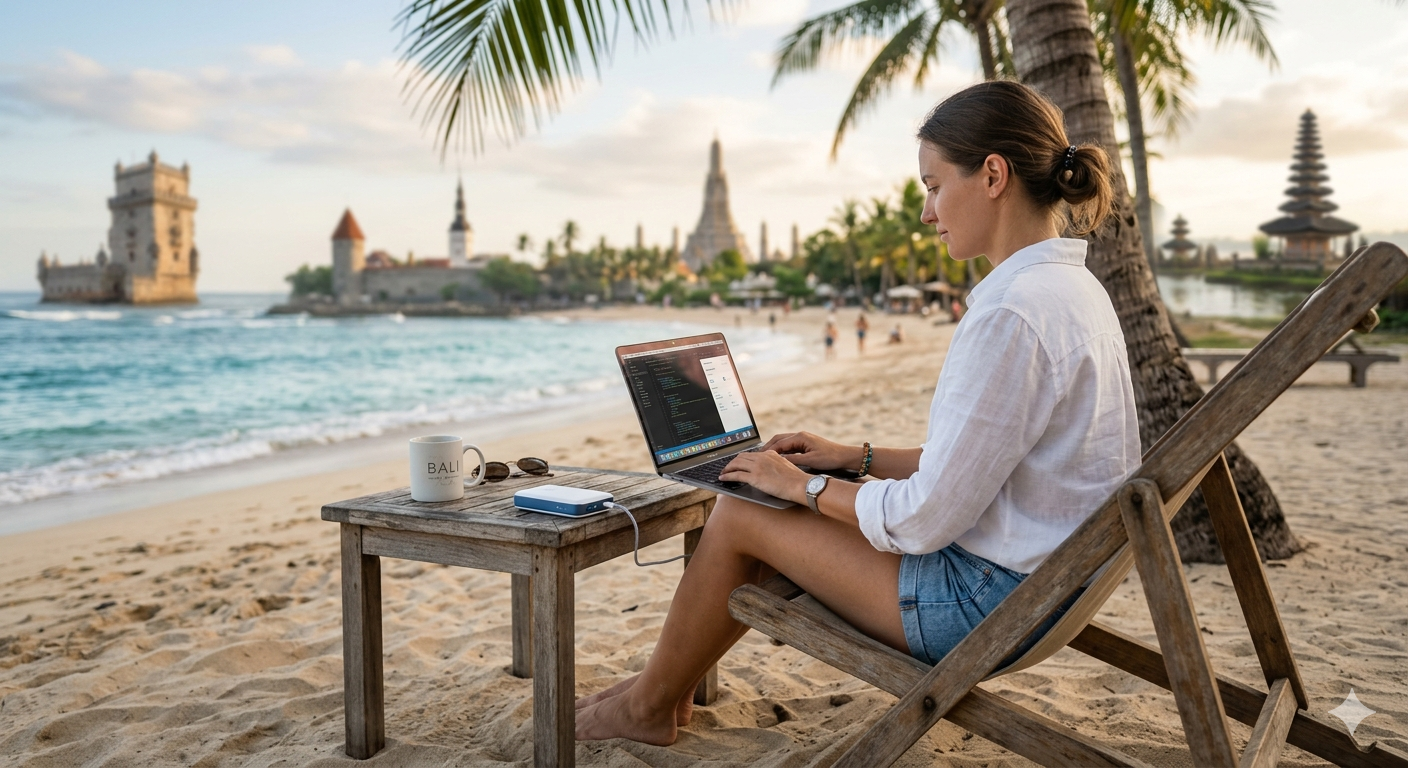
A place can look perfect in photos and still be a nightmare to work from. Plenty of remote workers learn this the hard way on their first trip. The villa with the jungle view tells you nothing about whether the WiFi will hold up on a client call. What matters more is the boring stuff: coworking spaces, visa rules, reliable power and how easy daily life is.
Remote work abroad has grown up since the influencer days. Some cities are excellent bases, with fiber internet, good coworking spaces, workable visas, decent coffee, and a daily routine that still feels good after three months. Others are fun for a month and wearing after that, because of patchy internet, red tape, or simply spending all your time with other foreigners on laptops.
I've worked remotely from eight cities in five countries over the past three years. This is what I've learned about choosing a base.
What Makes a City Good for Remote Work
Many nomad city rankings lean on atmosphere and pretty cafes. After the first week, more practical things decide whether a place works.
Internet reliability, not just speed. A city can have advertised 1Gbps fiber and still be unusable for video calls if the infrastructure is over-subscribed or the power grid is unreliable. Before you commit, look at recent internet scores on Nomad List, search r/digitalnomad for recent posts about the city, and always carry a backup mobile data plan.
Visa situation. For long stays this often decides everything. Countries with digital nomad visas, such as Thailand's DTV, Portugal's D8, Spain's digital nomad visa and Colombia's digital nomad visa, let you stay legally for six months to a year or more. Elsewhere you are usually on a tourist stay with a time limit, which means leaving and coming back or moving on. Working on a tourist visa can also be a legal grey area, so check the rules for your passport before planning a long stay.
Time zones. People overlook this more than anything else. A city can be perfect in every other way and still fail if most of your calls land in the middle of the night. Tbilisi is eight or nine hours ahead of New York, so a client's 10 AM meeting is your 6 or 7 PM, and a full day of overlap means working late every night. Think hard before choosing a base more than three time zones from the people you work with.
What a comfortable month costs. Ignore claims that you can live somewhere on $800. Work out what it costs to live the way you want: your own apartment, solid WiFi, a nice dinner now and then, a gym, the odd weekend away. That's the number that counts.
The Best Digital Nomad Cities in 2026
Chiang Mai has been Asia's favorite budget nomad base for more than a decade, and it still deserves the title. There are plenty of places to work, from CAMP at Maya Mall to Yellow Coworking in Nimman, plus countless laptop-friendly cafes. Fiber internet is common in apartments, and a comfortable life costs little. A one-bedroom apartment in Nimman or Santitham, the most popular areas with remote workers, runs $250 to $450 a month. With street food and local restaurants this good, eating well costs very little.
Thailand's Destination Thailand Visa (DTV), launched in 2024, lets remote workers and freelancers stay up to 180 days per entry, and you can come and go while it's valid. That ends the old routine of border runs. Chiang Mai is calmer than Bangkok and a little cooler outside the hot season, the expat community is huge, and the mountains and temples nearby make for great weekends. Two things to know: from roughly February to April, smoke from crop burning can make the air quality very poor, and after a few months the nomad scene can feel like a bubble, since it's big enough that you could never talk to a local.
Tbilisi deserves far more attention from remote workers than it gets. Fiber internet is good, citizens of around 90 countries can stay up to a year without a visa, and a comfortable month costs $800 to $1,300, or less if you share a flat. Add a fascinating culture and it's one of the best-value bases anywhere. Fabrika, a converted Soviet sewing factory, has coworking space, cafes and regular events, and it's where many newcomers meet people.
GMT+4 suits European clients well. For US clients, you'll be working their mornings during your evenings. The nomad community is smaller than in the Asian hubs, which some people will love and others won't. Georgia is a fairly traditional, Orthodox Christian country, and it takes a little adjusting to. Winters from November to February are cold and grey. May to October is the best time to be there.
Medellín is the Chiang Mai of the Americas: affordable, friendly and well established, and most nomads in this half of the world pass through at some point. It lives up to its "City of Eternal Spring" nickname. At about 1,500 meters, daytime temperatures sit around 22 to 28 degrees all year. The metro system is one of the best in Latin America. El Poblado and Laureles are full of coworking spaces and remote workers.
Colombia's digital nomad visa allows up to two years of remote work in the country. You need foreign income of at least three times Colombia's monthly minimum wage, roughly $1,000 a month, plus health insurance. The online application is fairly simple. GMT-5 is ideal for North American clients and workable for Europe if you don't mind early starts. The main expat areas are far safer than they used to be, but be careful at night and don't flash phones or cash. Monthly costs are a bit higher than in Southeast Asia, but you also get the chance to learn Spanish and live in a Latin American city.
Lisbon is much more expensive than it was, so let's start there. A one-bedroom apartment in a good central neighborhood now costs $1,100 to $1,500 a month. That's still cheaper than most Western European capitals, but far more than any Asian base. For the extra money you get reliable EU infrastructure, some of Europe's best fiber internet, a time zone that overlaps with both European office hours and US East Coast mornings, and a lovely daily life of sunshine, good food and beautiful streets.
Portugal's D8 visa lets non-EU remote workers and freelancers live there legally, with a route to longer-term residency. You need income of at least four times Portugal's minimum wage (roughly €3,500 a month or more, depending on the year), a clean criminal record and health insurance. Processing often takes two to four months. Lisbon suits people who want a European base and time zone and earn enough to enjoy it, not those looking for the cheapest option.
Mexico City is one of the top nomad cities in the Americas, and it's easy to see why. Roma and Condesa are packed with cafes that have good WiFi, there's a big coworking scene from WeWork to small independents, and the food and culture make it one of the most exciting places to live anywhere. The time zone lines up with US working hours and allows early-morning calls with Europe.
It costs more than Medellín or Chiang Mai, but less than many mid-priced European cities. Keep two things in mind. The city sits at 2,240 meters, so you may feel breathless or tired in the first week, and a few people get proper altitude sickness. Air pollution can also be bad on still days, especially in the dry season. Most people adjust quickly and find neither a real problem.
Digital Nomad Visa Options in 2026
More countries now offer visas for remote workers. These are the most useful options in 2026:
The Tools Every Digital Nomad Needs in 2026
Once you've picked a city, these tools make working on the road much easier.
Nomad List (nomadlist.com): a large database of cities with internet speeds, living costs, safety and community size, rated by members who have lived there. Worth paying for if you are choosing between several bases.
Wise: for international money transfers and a multi-currency account that doesn't charge excessive conversion fees. If you earn in dollars or pounds and spend in local currency, Wise usually beats bank exchange rates by 2 to 4%. Its debit card converts at close to the mid-market rate at ATMs and in shops worldwide.
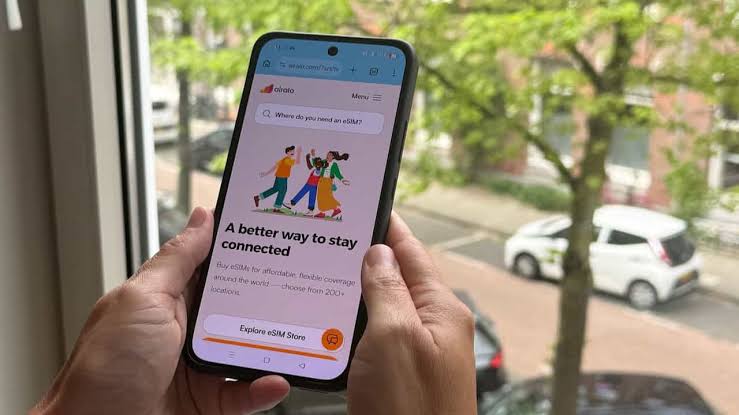
Airalo or Holafly eSIM: mobile data from the moment you land. Don't count on finding a SIM shop open at 11 PM. Set up a plan before you arrive in each new country.
A reputable VPN such as NordVPN or ExpressVPN: protects your connection on cafe and coworking WiFi, and many employers require one for remote access. A few countries restrict VPNs or block common work apps, so check the local rules before planning a work stay there.
Choosing the cheapest city and ending up unhappy. Spending $700 a month somewhere you feel lonely, bored or anxious about your internet is worse value than $1,400 somewhere that suits you. Living abroad should let you live well for less than at home, not live badly. Pick a place that fits your budget, your work and the life you want, and stay long enough to feel settled before you move on.