Europe's Entry/Exit System (EES) Explained: What Happens at the Border in 2026
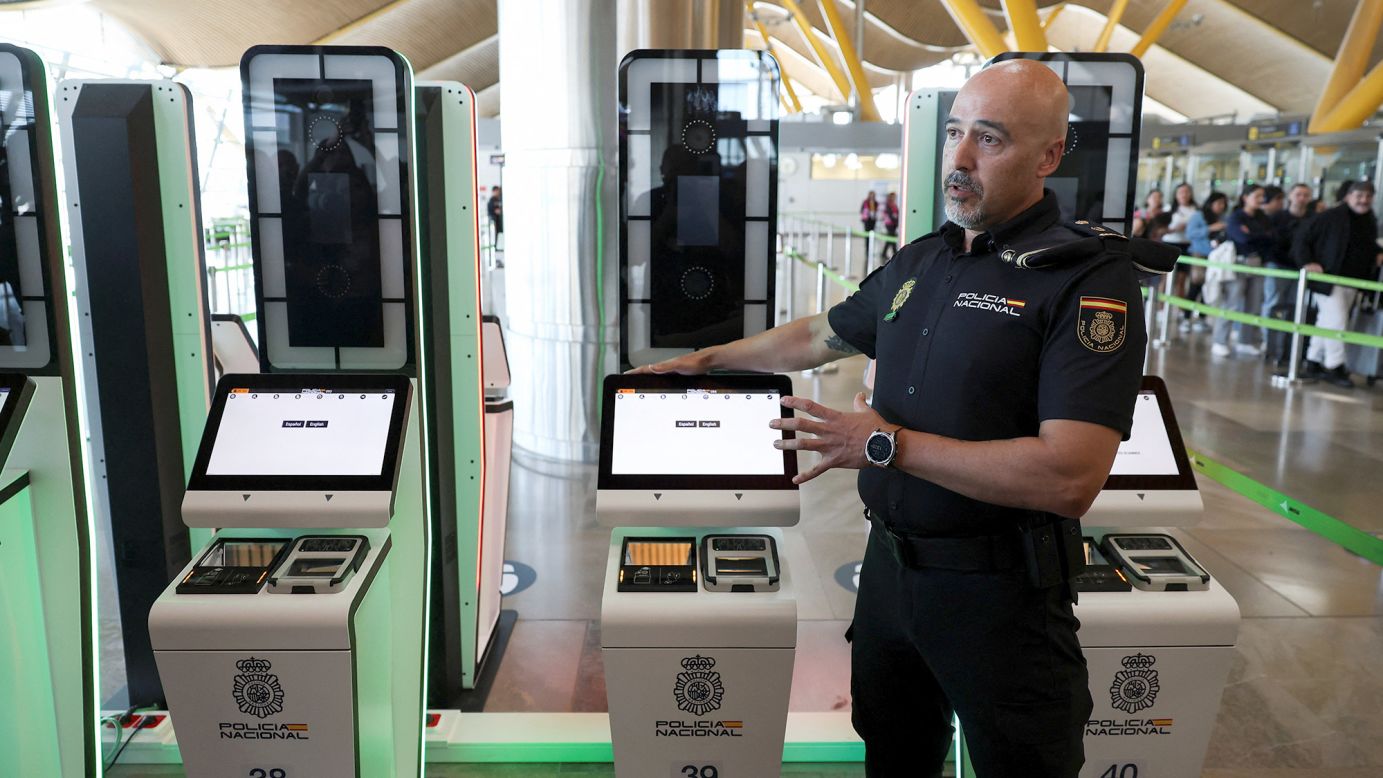
If you've flown into Europe this year and noticed the officer didn't stamp your passport, you've already met the Entry/Exit System. The EES is the European Union's new digital border system. Instead of ink stamps, it records your face, your fingerprints and the dates you enter and leave, and it keeps count of how many days you've spent in the Schengen Area.
It affects almost every non-European visitor, whether you travel on a visa-free passport or a Schengen visa. For most people it just means a slightly longer first border check. But it also makes overstaying much easier to detect, and it's worth understanding before your next trip.
Started: October 12, 2025, in stages. Fully running: since April 10, 2026. Who it covers: non-EU citizens on short stays of up to 90 days in any 180-day period. What's collected: passport details, a facial image, fingerprints (unless already on file or you're under 12), and your entry and exit dates. Cost: free. It doesn't replace your visa or ETIAS.
What the EES Is
The EES is a shared database used by border officers across the countries that take part. When you cross an external border, for example landing in Paris from Lagos, the officer, or a self-service kiosk, records you in the system. When you leave, your exit is recorded too.
This replaces passport stamping. It also means the system can work out automatically how many days you have left under the 90-in-180-day rule, rather than an officer counting stamps by hand.
Where It Applies
The EES is used by 29 European countries: all EU member states except Cyprus and Ireland, plus the four Schengen countries outside the EU, which are Iceland, Liechtenstein, Norway and Switzerland. That includes Bulgaria and Romania, which became full Schengen members in 2025.
Cyprus and Ireland still check and stamp passports in the usual way. The UK is not part of the EES, but travelers heading from the UK to France by Eurostar, or through the Port of Dover or the Channel Tunnel at Folkestone, complete EES checks in the UK before departure, because French border controls operate there.
Who Has to Register
You're registered in the EES if you're not an EU citizen and you're visiting a participating country for a short stay. That includes:
- travelers who don't need a visa, such as UK, US, Canadian and Australian citizens
- travelers who hold a Schengen short-stay visa, including Nigerians and most other African passport holders
Some people are not registered, including:
- citizens of EU countries, Iceland, Liechtenstein, Norway and Switzerland
- people with a residence permit or long-stay visa from a participating country
- family members of EU citizens who hold a residence card
- citizens of Andorra, Monaco, San Marino and the Vatican
The full list of exemptions is on the EU's official Travel to Europe website.
What Information Is Collected
If you're 12 or older and refuse to give your biometric data, you can be refused entry.
What Happens at the Border
Your first trip
The first time you enter a participating country after the EES started, you'll be fully registered. Depending on the airport or port, you may start at a self-service kiosk, where you scan your passport, have your photo taken and, if needed, give fingerprints, before seeing an officer. Some countries also offer apps that let you enter some details before you arrive. The officer may still ask about your trip, where you're staying and how much money you have.
Expect this first registration to take a few minutes longer than the old passport stamp, and allow extra time at busy airports and ports, particularly in summer and at holiday weekends.
Later trips
Once you're registered, later crossings are usually quicker, because the system only needs to confirm you're the same person, often with a facial scan or a fingerprint check.
The 90-in-180-Day Rule Is Now Counted Automatically
Visitors on short stays can spend up to 90 days in any rolling 180-day period across the Schengen Area. Before the EES, officers counted this by looking at stamps, which was slow and error-prone. Now the system tracks it for every traveler.
That matters in two ways. Overstays are flagged automatically, even by a day or two, and can lead to fines, bans and trouble with future visa applications. And frequent visitors should keep their own count. The EU's official short-stay calculator on the Travel to Europe website helps you check how many days you have left before you book a trip.
If you have a Schengen visa, remember that your visa has its own validity dates and number of permitted days. You must follow those limits as well as the 90/180 rule.
How Long Your Data Is Kept and Your Rights
EES records are normally kept for three years after your last trip. If you overstay or are refused entry, the record can be kept for five years. You have the right to ask what data is held about you and to have mistakes corrected or deleted, through the authorities of the country that registered you.
If your record shows the wrong entry or exit date, for example because a kiosk didn't record your departure, keep evidence such as boarding passes and hotel receipts, and contact the relevant border authority as soon as possible.
What the EES Means for Nigerian Travelers
For Nigerians and most other African passport holders, the EES adds a step but doesn't change the main requirement: you still need a Schengen visa for a short trip. The EES doesn't make visas easier or harder to get.
- Your visa still matters most. The officer checks your visa as before. The EES just records your entry and exit digitally.
- Stick to your visa dates. With automatic tracking, leaving even slightly late is recorded and can hurt future applications to any Schengen country.
- Keep your supporting documents. Carry your hotel bookings, return ticket, insurance and proof of funds in your hand luggage. Officers can still ask to see them.
- Transit travelers. If you only change planes and stay in the international transit area, you don't pass through border control and aren't registered. But you may still need an airport transit visa. See our transit visa guide for Nigerians.
How the EES Relates to ETIAS
The EES and ETIAS are often mixed up. The EES is the border system that records your entries and exits. ETIAS is a separate online travel authorization for visa-free visitors, such as UK and US citizens, which they'll need to apply for before traveling once it launches. As of September 2026, ETIAS hasn't started, and a launch in 2027 looks likely. It will cost €20 and won't apply to people who need a Schengen visa, such as Nigerians. Read more in our ETIAS guide.
Tips for a Smooth Crossing
Allow extra time
Especially on your first trip since the EES started, at big airports and at Dover or Eurostar terminals in peak season.
Use the same passport
Your record is linked to your passport. If you renew it, expect to go through a fuller check again, and carry your old passport if your visa is in it.
Prepare the children
Kids under 12 still have their photo taken. Tell them what to expect so the kiosk or camera doesn't worry them.
Track your days
If you visit Europe often, check your remaining days with the official calculator before booking. The system won't give you a grace period.
The EES changes how Europe records your visit, not whether you can visit. Bring the right visa or passport, give your photo and fingerprints when asked, keep to your permitted days, and leave a little more time at the border on your first trip. Do that, and the new system should be little more than a few extra minutes at passport control.