Transit Visas for Nigerians 2026: Which Airports You Can Connect Through Without One
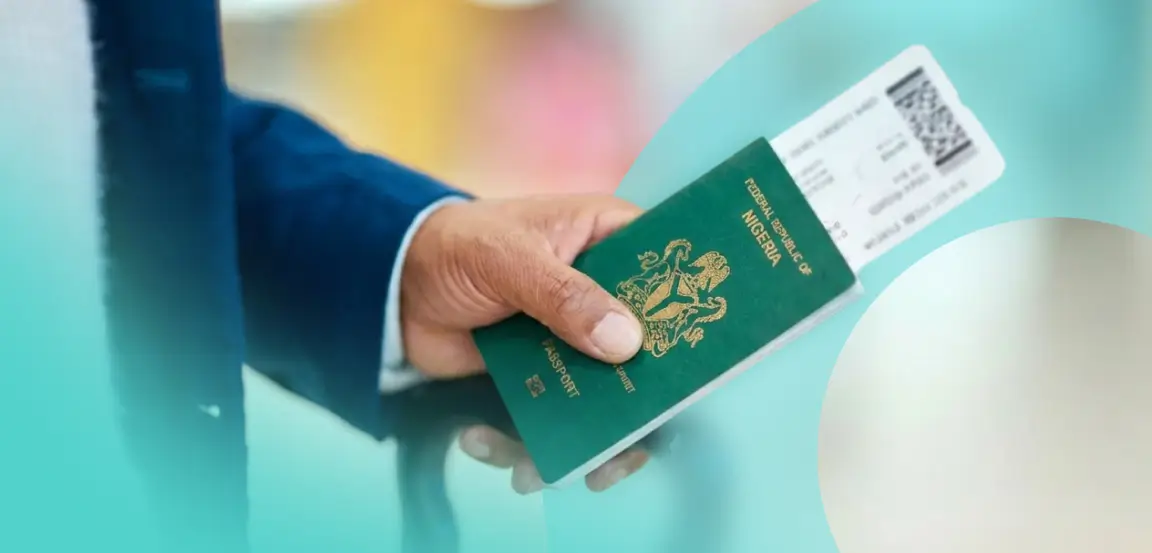
It happens at check-in counters in Lagos and Abuja more often than it should. A traveler has a visa for their final destination, a confirmed ticket and packed bags, and the airline refuses to board them. The reason: their connection is in a country that requires Nigerians to hold a transit visa, even to change planes.
Transit rules are easy to overlook because you never plan to leave the airport. But for Nigerian passport holders, a few of the world's busiest hubs require a visa just to connect, while others let you pass through freely. Choosing the right connection can save you a visa fee, weeks of paperwork or a wasted ticket. This guide explains how transit works and which major airports Nigerians can and can't connect through without a visa in 2026.
Transit rules change, and exemptions depend on the exact documents you hold. Before paying for a ticket, check with your airline, which uses the same international database border agencies rely on, and check the official government website of every country you'll connect in.
Airside vs Landside: The Key Idea
Airside transit means you stay in the international transit area and walk from one gate to another without passing through immigration. Many countries don't require a visa for this.
Landside transit means you pass through immigration, even briefly, for example to collect bags, change terminals or check in again with a different airline. Once you pass immigration, you usually need a visa to enter that country.
Whether your connection stays airside depends on three things:
- One ticket or separate tickets. On a single booking, your bags are usually checked through to your final destination. With separate tickets, you often have to collect your bags and check in again, which means passing immigration.
- The airport layout. Some airports make you pass through border control to change terminals.
- The length of your layover. Very long or overnight layovers may require you to leave the transit area, and some countries limit how long you can stay airside.
Where Nigerians Usually Need a Transit Visa
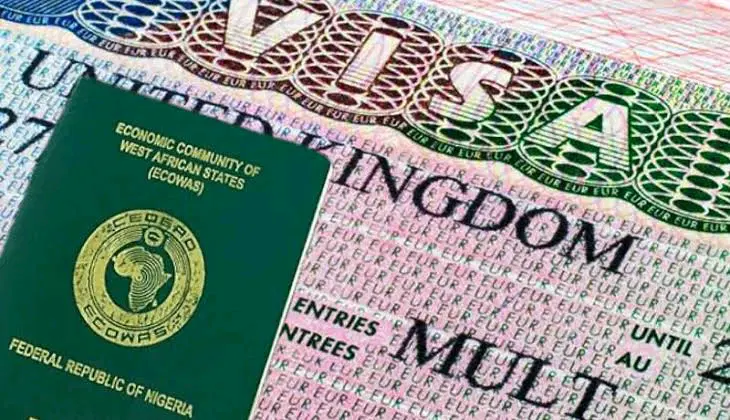
United Kingdom (London Heathrow, Gatwick, Manchester)
Transit visa usually requiredSchengen Area (Paris, Amsterdam, Frankfurt, Brussels, Madrid and others)
Transit visa usually requiredIreland (Dublin)
Transit visa requiredUnited States
Full visa requiredCanada (Toronto, Montreal, Vancouver)
Transit visa requiredHubs Where Nigerians Can Usually Connect Without a Visa
At these airports, Nigerians can generally change planes without a visa, provided they stay airside, have a confirmed onward flight on the same booking and hold any visa needed for their final destination.
Dubai (DXB)
Airside transit usually fineDoha (DOH)
Airside transit usually fineIstanbul (IST)
Airside transit usually fineAddis Ababa (ADD)
Airside transit usually fineCasablanca (CMN)
Usually fine on one ticketJohannesburg (JNB)
Airside onlyNairobi (NBO)
No visa neededQuick Summary Table
| Connection | Transit visa for Nigerians? | Main exemptions or notes |
|---|---|---|
| UK airports | Yes (DATV) | Valid US, Canada, Australia or NZ visa or residence permit, and some others |
| Schengen airports | Yes (ATV) | Valid Schengen/EEA visa or residence permit, or valid US, Canada or Japan visa |
| Ireland | Yes | Check Irish immigration rules |
| United States | Yes (full visa) | No airside transit |
| Canada | Yes (free transit visa) | Apply in advance with biometrics |
| Dubai, Doha, Istanbul, Addis Ababa | No, if airside | Visa needed to leave the airport |
| Casablanca, Johannesburg | No, if airside on one ticket | Visa needed to leave the airport |
| Nairobi | No | Visa-free for up to 60 days |
Choosing the Right Connection
A few examples of how this plays out in real bookings:
- Lagos to Toronto on a Canadian visa. A connection in London usually works, because a valid Canadian visa exempts you from the UK DATV. A connection in Paris or Amsterdam usually works too, because a valid Canadian visa also exempts you from the Schengen ATV. Connecting in the US doesn't work without a US visa.
- Lagos to Dubai, Bangkok or Kuala Lumpur. Gulf, Istanbul and Addis Ababa connections are the easiest, since they don't need a transit visa if you stay airside.
- Lagos to London on a UK visa. Fly nonstop, or connect through Istanbul, Casablanca, Addis Ababa or the Gulf. A UK visa isn't on the Schengen exemption list, so connecting in Paris, Amsterdam or Frankfurt usually means applying for an ATV first.
- Lagos to Johannesburg or Nairobi. Nonstop is simplest. With a stop, Addis Ababa and Nairobi are easy options for Nigerians.
Mistakes That Get Travelers Stuck
Booking separate tickets through a visa-required hub
Two cheap tickets on different airlines can force you to collect bags and check in again, which means entering the country. If you don't have a visa for that country, you're stuck. Book connections on a single ticket wherever possible.
Forgetting about terminal changes
At some large airports, moving between terminals means passing through passport control. Check how your connection works at that specific airport before booking.
Very short or very long layovers
A tight connection risks a missed flight. If you're rebooked onto a flight the next day, you may need to leave the transit area for a hotel, which requires a visa at some airports. Overnight layovers carry the same risk.
Relying on an exemption without the right document
Exemptions usually need a valid, current visa or residence permit, often physically in your passport or on a card. An expired visa, or one for a different country than the rule lists, doesn't count. Carry the document with you, not just a photo of it.
Check every country your flights stop in, not just your destination. Confirm the rules with the airline and on each country's official website. Book the whole trip on one ticket, avoid connecting in the US or Canada unless you hold visas for them, and bring any visa or residence permit that gives you an exemption. When in doubt, choose a hub such as Istanbul, Addis Ababa, Doha or Dubai, where Nigerians can usually connect airside without a visa.