Kenya Travel Guide 2026: Nairobi, the Maasai Mara and the Coast Without a Visa
Kenya used to come with a visa application. Now, for Nigerians, it doesn't. Since 2025, Nigerian passport holders can visit Kenya for up to 60 days without a visa or an Electronic Travel Authorisation. Add a nonstop flight from Lagos of around five and a half hours, and Kenya has become one of the easiest big trips on the continent for Nigerian travelers.
And what a trip. In one week you can see lions in the Maasai Mara, feed giraffes in Nairobi, watch elephants with Kilimanjaro behind them in Amboseli, and finish on a white-sand beach on the Indian Ocean. This guide covers entry rules, costs, safari fees, the best time to go and how to put it all together in 2026.
Entry Requirements for Nigerians
Kenya dropped its eTA requirement for most African nationals in 2025. Under the current rules, Nigerians can enter without a visa or eTA and stay up to 60 days. For longer stays, you'd need to apply for an eTA before traveling.
- Passport valid for at least six months from your arrival date, with a blank page.
- Yellow fever certificate. Kenya requires proof of vaccination from travelers coming from countries with a yellow fever risk, including Nigeria.
- Return ticket, accommodation details and enough money for your stay. Immigration officers can ask for them.
Rules can change quickly, so check the official eCitizen or Kenya immigration website a few weeks before you fly.
Getting There
Kenya Airways flies nonstop from Lagos to Nairobi's Jomo Kenyatta International Airport, a flight of roughly five and a half to six hours. Ethiopian Airlines, via Addis Ababa, and other airlines with a stop are often cheaper. Round trips from Lagos often cost around $350 to $550 outside peak periods, more around holidays. From Abuja you'll usually connect.
Jomo Kenyatta airport is about 15 to 20 kilometers from central Nairobi. Allow up to an hour for the drive in traffic. Uber and Bolt both work from the airport.
Money and Costs
Kenya's currency is the Kenyan shilling (KES), which has recently traded at around 129 to 130 to the US dollar. Cards are widely accepted in Nairobi and at lodges, but you'll need cash for markets, tips and small shops.
Kenya runs on M-Pesa, Safaricom's mobile money service. Visitors can buy a Safaricom SIM with their passport and register for M-Pesa, which makes paying taxis, cafes and markets much easier.
| Daily costs (per person, not counting safaris) | Budget | Mid-range | Comfortable |
|---|---|---|---|
| Accommodation | $20 to $40 (guesthouse, hostel) | $60 to $120 (hotel) | $150 to $300 |
| Food | $8 to $15 | $20 to $40 | $50 to $90 |
| Transport in town | $3 to $8 (matatus) | $10 to $25 (Uber, Bolt) | $30 to $60 |
| Activities | $5 to $15 | $20 to $50 | $50 to $120 |
| Daily total | $36 to $78 | $110 to $235 | $280 to $570 |
Safaris are a separate budget, because park fees, vehicles and lodges add up quickly. More on that below.
Nairobi
Many visitors treat Nairobi as a stopover on the way to a safari. Give it at least two days. It's a busy, creative city, and it's the only capital in the world with a national park inside its borders.
Nairobi National Park
Lions, giraffes, rhinos and buffalo, with the city skyline in the background. Go early in the morning on a guided game drive. Kenya Wildlife Service fees are paid online and cashlessly.
Sheldrick Wildlife Trust
The famous orphan elephant nursery, where you can watch baby elephants being fed. Visits are limited and must be booked in advance.
Giraffe Centre
Feed endangered Rothschild's giraffes from a raised platform in Karen. It's popular with families, so go early.
Museums, markets and forest walks
The Nairobi National Museum and the Karen Blixen Museum tell different sides of Kenya's history. The Maasai Market moves between locations on different days and is good for crafts, if you bargain. Karura Forest has shady trails and a waterfall right in the city.
Where to stay: Westlands and Kilimani are central, with plenty of hotels, apartments and restaurants. Karen is greener and quieter, close to the Giraffe Centre and Sheldrick Trust, but further from the city center.
Going on Safari
Maasai Mara
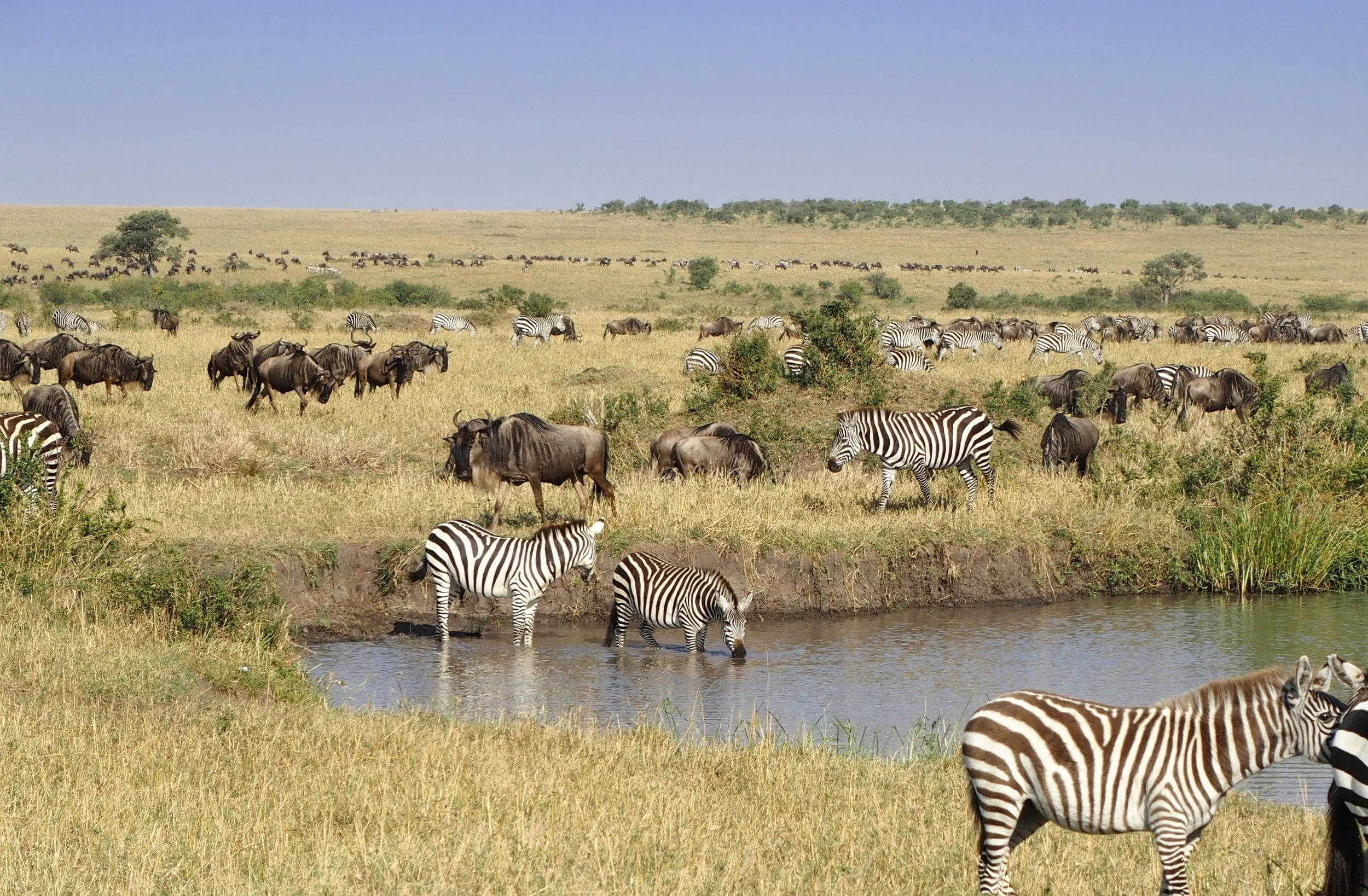
Kenya's most famous reserve is known for its big cats and for the Great Migration, when huge herds of wildebeest and zebra cross the plains and the Mara River, usually from around July to October. It's about five to six hours from Nairobi by road, or a short flight to one of the reserve's airstrips.
The Maasai Mara is managed by Narok County, not Kenya Wildlife Service, and sets its own fees. In 2026, non-resident adults pay $100 per person per day from January to June and $200 per day from July to December, the peak migration season. Children pay less. These fees are separate from your lodge or tour price, so check whether your safari quote includes them.
Other parks worth considering
Park fees for Nigerians. Since October 2025, Kenya Wildlife Service has used a tiered price list for its national parks, such as Nairobi National Park, Amboseli, Lake Nakuru and Tsavo. Citizens of African countries outside the East African Community have their own band, charged in US dollars, which is lower than the full non-resident rate. Fees are paid through the official KWS and eCitizen platforms. Carry your passport so rangers can confirm which rate applies.
How much a safari costs
Prices vary enormously. A shared budget group safari from Nairobi with basic camps costs far less per person than a private trip with luxury lodges. When comparing quotes, check whether they include park fees, transport in a pop-up roof vehicle, meals, drinking water and a driver-guide. For a first safari, two or three nights in the Mara is enough to see a lot. Book with a well-reviewed, licensed operator, and be wary of very cheap deals from street touts.
The Coast
After the dust of the parks, Kenya's coast is the perfect finish. The Madaraka Express train (the SGR) runs between Nairobi and Mombasa in about five to six hours and is a comfortable, affordable alternative to flying. Book tickets in advance through Kenya Railways, especially in holiday periods.
- Mombasa: Wander the narrow streets of the Old Town and visit Fort Jesus, a 16th-century Portuguese fort and UNESCO World Heritage Site.
- Diani Beach: Kenya's best-known beach, south of Mombasa, with white sand, clear water and plenty of hotels at every budget.
- Watamu: A quieter beach town with a marine park that's good for snorkeling.
- Lamu: A car-free island whose old town is a UNESCO site, with donkeys, dhows and a slow pace. Reach it by a short flight.
When to Go
Kenya has two main dry seasons. From late June to October the weather is dry and cooler, wildlife is easy to spot, and the Great Migration is usually in the Mara, which makes it the most popular and most expensive time. January and February are also dry and good for wildlife, with fewer crowds. The long rains fall from about March to May, when some camps close and roads get muddy, though prices are lower. The short rains come around November and December, usually as brief showers.
Getting Around
In Nairobi and Mombasa, Uber and Bolt are the easiest options. Matatus, the colorful shared minibuses, are cheap but crowded and not ideal with luggage. For longer distances, take the SGR train, a domestic flight, or a safari vehicle arranged by your operator. Kenyan roads can be slow, so don't plan too many long drives in a row.
Safety and Etiquette
Kenya is a popular, welcoming destination, but take normal big-city precautions in Nairobi. Avoid walking alone at night, keep your phone out of sight in busy areas, and use ride-hailing apps rather than unmarked taxis. In the parks, always follow your guide's instructions and stay in the vehicle unless told otherwise.
Kenya banned single-use plastic bags in 2017, and visitors can be fined for bringing them in, so pack without them. A few words of Swahili go a long way: jambo (hello), asante (thank you) and karibu (welcome). Always ask before photographing people, including Maasai communities, and expect to tip safari guides and camp staff.
Day 1: arrive in Nairobi and rest. Day 2: Nairobi National Park at sunrise, then the Sheldrick Trust and the Giraffe Centre. Days 3 to 5: safari in the Maasai Mara, with a stop at Lake Nakuru or Hell's Gate on the way back. Day 6: take the Madaraka Express to Mombasa and continue to Diani Beach. Day 7: a morning on the beach before flying home from Mombasa, usually via Nairobi.