How to Travel Europe on $50 a Day in 2026: The Complete Budget Breakdown by Country

The same careful traveler can live well on about $42 a day in the Balkans, with a cooking class, a night in a mountain guesthouse and plenty of local wine, and then spend $95 a day in Amsterdam without doing anything special. Same habits, different country, completely different bill.
That's the key to Europe on $50 a day. Where you go matters more than any money-saving trick. In Romania, $50 a day is a comfortable mid-range budget. In Norway, it barely covers a hostel bed and two meals, and no tip will close that gap. So start by choosing the right countries.
Once you've picked them (the country-by-country breakdown is below), there are plenty of ways to stretch your money further. But the choice of destination does most of the work.
Where $50 a Day Works (and Where It Doesn't)
Serbia
$50/day is comfortableAlbania
$50/day is comfortableRomania
$50/day is comfortableGeorgia (Tbilisi)
$50/day is generousPortugal (Porto/Lisbon)
$50/day requires disciplineSpain (Barcelona/Madrid)
$50/day is very tightWays to Stretch $50 Further
FlixBus and BlaBlaCar over train for intercity travel
FlixBus connects virtually every European city from $5 to $25 per journey. BlaBlaCar, where you share a ride with a local driver, is often cheaper still on popular routes, around $5 to $15 for two or three hours, and you get to chat with someone who lives there. Trains are more comfortable but usually cost more. On a tight budget, buses will be your main way between cities, and night buses save you a night's accommodation.
Shoulder season over peak summer
Hostel prices in popular European cities drop 25 to 40% between mid-September and mid-June compared to July and August. Flights, rooms and tours all cost more when demand peaks. Going in April or October instead of July can keep you under $50 a day in places where summer would push you over.
Markets and supermarkets for breakfast and lunch
This saves more on food than anything else. Buy breakfast and lunch at supermarkets or markets, and save your one restaurant meal for the evening. Lidl has stores across much of Central and Eastern Europe, including Serbia and Romania, with very low prices. Covered markets such as Valencia's Mercado Central or Budapest's Great Market Hall sell ready-to-eat local food for less than a restaurant. Eating out once a day instead of three times saves $15 to $25 a day.
Free attractions before paid ones
Some of Europe's best experiences cost nothing. You can wander Dubrovnik's old town streets, Belgrade's fortress, Lisbon's Alfama or Berat's old quarter for free. Many museums have free days or free entry, including most national museums in the UK and some French national museums on certain Sundays. Almost every big city has tip-based walking tours, where $5 to $15 gets you two or three hours with a local guide. Do the free things first and pay only for what you really want to see.
Slow travel: stay longer in each place
Changing cities every day or two is the most expensive way to see Europe. Every move costs a ticket, and you often pay more for convenient rooms on arrival night. Many apartments and guesthouses give weekly discounts, often 10 to 30%, and having a kitchen cuts food costs too. A week in one Serbian or Albanian town costs less per day than hopping every two days. Slow down and you'll almost always spend less.
What $50 a Day Doesn't Cover
A few things that "Europe on $50 a day" articles often leave out.
$50/day doesn't include flights. Getting to Europe from outside the continent is a significant additional cost. From West Africa, budget roughly $700 to $1,200 for a round trip, depending on the season. From North America, $500 to $900. Add these to your budget separately from daily spending.
$50 a day doesn't include one-off costs. The day you buy a rail pass, pay for a multi-day tour or book a guided trip, you might spend $100 to $300. Budget a weekly "splurge day" allowance of $50 to $100 above your daily budget for these costs rather than treating every day as identical.
A dorm bed and a private room are different budgets. If you need your own room, expect $55 to $70 a day even in the cheaper countries. Decide which you want before you set your budget.
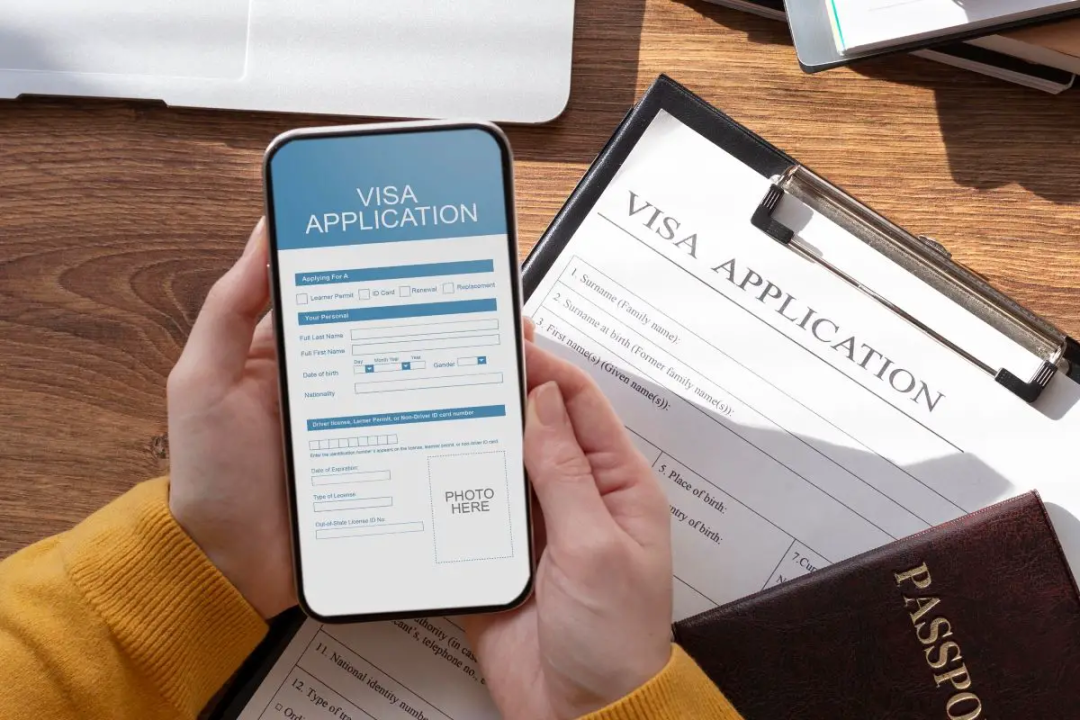
Visas cost money and time. If you travel on a Nigerian or other passport that needs a Schengen visa, include the visa fee, the service charge, travel insurance and the documents you'll need. Serbia, Albania and Georgia have their own entry rules, and some let in holders of a valid Schengen visa, so check each country's rules for your passport.
Yes, $50 a day works in Europe in 2026, as long as you pick the right countries. Serbia, Albania, Romania and Georgia are comfortable on $50 a day, even with a private room. Portugal works if you're disciplined. In Western Europe (France, Spain, Italy, Germany, the Netherlands), $50 means dorms and very careful eating, or you raise the budget to $70 to $90. In Scandinavia, $50 a day means a lot of sacrifice. For the best-value trip, start in the Balkans and head west as far as your money allows.