Bali Travel Guide 2026: Where the Island Still Delivers (and Where It Doesn't)
Ask ten people about Bali and half will tell you it's ruined, overpriced and jammed with traffic. The other half will tell you it's the most beautiful place they have ever been. Both groups are usually right about the part of the island they saw. Canggu's main strip really is a gridlock of smoothie-bowl cafes and co-working spaces. The rice terraces around Ubud are still among the loveliest sights in Southeast Asia. Which Bali you get depends a lot on where you stay and what you expect.
Indonesia tightened tourist behavior rules in 2024 and 2025, introduced a mandatory tourist levy, and cracked down hard on the small minority of visitors who'd made Bali synonymous with disrespecting local customs. None of that makes the island less worth visiting. If you were already planning to behave like a considerate guest, the changes mostly work in your favor. Here is what you need to know for a 2026 trip.
Why Bali Still Works in 2026
The basics are the same as ever. You get volcanoes, world-class surf, a Hindu culture that has held its own through decades of tourism, and prices that still look cheap next to most of Asia's big-name destinations. The change is in how the island handles mass tourism, and that shift suits people who came to see Bali rather than a resort with Balinese carvings in the lobby.
The Indonesian government introduced a 150,000 IDR (roughly $9.50) tourist levy in early 2024, collected on arrival or in advance through the official Love Bali website. The money goes to environmental and cultural projects, and it barely dents a travel budget. Pay it online before you fly so you can skip one more queue. A 2025 crackdown on bad behavior, mainly at temples and on scooters, means officials now enforce the rules more often. That might sound like a nuisance, but the roads around Canggu and Uluwatu feel a little less chaotic for it.
The digital nomad and remote work wave that started around 2021 has matured. Canggu and Ubud both have serious co-working infrastructure now, fiber internet is standard in most mid-range and above accommodation, and the second-home crowd has pushed up long-term rental prices in the most popular areas while leaving short-stay pricing largely unaffected. For a one-to-three-week trip, Bali in 2026 remains one of the best value destinations in Asia.
Visa Requirements for Indonesia
Travelers from the US, UK, EU, Canada, Australia and many other countries can get a Visa on Arrival (VOA) for tourism. It costs 500,000 IDR (around $30) and lasts 30 days, and you can extend it once for another 30 days for a similar fee. You can buy it at Ngurah Rai International Airport, but it is quicker to buy it in advance through the official Indonesian e-VOA portal before you fly. That lets you skip most of the arrival queue.
Your passport must be valid for at least six months from the day you arrive. On paper you also need proof of onward travel, although officers rarely ask VOA holders for it. If you want to stay longer than 60 days, look at Indonesia's single-entry tourist e-visa (index C1, valid 60 days and extendable), the Second Home Visa, or the newer remote worker visa. Each has its own paperwork, so research them properly if you plan to spend months on the island.
Nigeria is not on Indonesia's Visa on Arrival list, so do not fly to Bali expecting to buy a visa at the airport. Nigerian travelers need to apply in advance for a tourist e-visa (index C1) through the official Indonesian e-visa website. The application usually asks for a passport scan, a recent bank statement, a return ticket and accommodation details. Check the current rules on that site before you book flights, because Indonesia updates its visa lists from time to time.
What Bali Costs in 2026
Prices in Bali cover an enormous range. A $10 hostel bed and a $2,000 villa can sit five minutes' walk apart. The figures below show what a typical trip costs at each level in 2026.
| Category | Budget | Mid-Range | Comfortable |
|---|---|---|---|
| Accommodation (per night) | $10 to $22 (hostel/guesthouse) | $35 to $80 (villa/hotel) | $100 to $250 (private pool villa) |
| Food (per day) | $8 to $15 (warungs) | $20 to $40 (mix) | $50 to $90 (cafes/restaurants) |
| Transport (per day) | $4 to $8 (scooter rental) | $15 to $25 (driver/Grab) | $30 to $60 (private driver) |
| Activities (per day) | $5 to $12 | $20 to $40 | $50 to $100 |
| Daily Total | $27 to $57 | $90 to $185 | $230 to $500 |
Recently the rupiah has traded at roughly 16,000 IDR or more to the US dollar, so check the live rate before you go. Warung meals (local family-run eateries) run 20,000 to 45,000 IDR ($1.30 to $2.90) for a plate of nasi goreng or nasi campur. A mid-range cafe meal in Canggu or Seminyak, the kind aimed squarely at tourists, runs 80,000 to 150,000 IDR ($5 to $10). That is still cheap by Western standards, but it is three or four times what a warung charges.
Nothing affects your daily spend as much as whether you rent a scooter. One costs 60,000 to 100,000 IDR per day ($4 to $6.50), far less than taking Grab or hiring drivers everywhere, and it lets you go where you like. The downside is the traffic, which has gotten worse in Canggu and Seminyak over the last few years, and some roads are dangerous after dark.
For a comfortable trip mixing a few nights of villa accommodation with mid-range meals and activities, budget $900 to $1,300 all-in, excluding flights. Backpackers who stay in hostels and eat mostly at warungs can manage 10 days on $350 to $500. Flights to Bali from Lagos or most African hubs typically require at least one connection through the Middle East or Southeast Asia and run $700 to $1,100 round-trip depending on season.
When to Go
Bali's dry season runs roughly April through October, and July and August are the peak months. Expect the highest prices, packed temples, and Canggu traffic that can stretch a 3-kilometer ride to 40 minutes. The wet season runs November through March, with January and February typically the wettest months.
My favorite times to go are April to June and September to October. The weather is dry, Tanah Lot and the Tegallalang terraces are less packed, and rooms cost 15 to 25% less than in peak season. Surfers aim for May through September, when the swell on the south and west coasts is at its most reliable.
Wet season isn't a dealbreaker if the alternative is not going at all. Rain in Bali typically arrives as intense but short afternoon downpours rather than all-day gray skies, and mornings are usually clear. Avoid Christmas and New Year if money is tight. Room rates in Seminyak and Canggu often double in the last two weeks of December.
Where to Stay: Bali's Regions Compared
Bali is a large island, and the region you choose shapes your entire trip more than almost any other decision. Renting a scooter or booking a driver for day trips between regions is common, but basing yourself in the wrong area for your travel style is the single most common regret I hear from first-time visitors.
Canggu
The digital nomad and surf hub, and the area most associated with Bali's Instagram identity: beach clubs, matcha lattes, co-working spaces, and a young, international crowd. Batu Bolong and Echo Beach are great spots for beginner and intermediate surfers. The tradeoff is traffic, noise, rising prices, and an atmosphere that can feel less like Indonesia and more like a beach town anywhere with good WiFi. Good for remote workers, surfers, and first-timers who want an easy, social introduction to the island.
Ubud
Bali's cultural and spiritual center, inland and surrounded by rice terraces, jungle, and Hindu temples. This is where the yoga retreats, art markets, and wellness tourism concentrate. Ubud has its own traffic and crowd problems now, particularly around the Monkey Forest and central market at midday, but it is still the best base if you care more about culture, nature and a slower pace than about the beach. There is no sea here. The nearest coast is a 45 to 90 minute drive away.
Uluwatu
The Bukit Peninsula's dramatic clifftop area, home to Bali's best surf breaks for experienced surfers, some of the island's most spectacular sunset views, and an increasingly upscale beach club scene. Accommodation skews pricier here and the terrain is hillier and less walkable than Canggu, meaning a scooter or driver is close to essential. Good for surfers, couples wanting a scenic, slightly quieter base, and anyone prioritizing beach clubs and cliffside views over nightlife density.
Seminyak
The most polished and internationally developed beach area, with Bali's best concentration of fine dining, boutique shopping, and beach clubs like Potato Head and Ku De Ta. It's more expensive than Canggu and more walkable, with a calmer traffic situation than its northern neighbor. Good for travelers who want beach access, good food, and nightlife without Canggu's backpacker-nomad energy or Uluwatu's remoteness.
Sanur
The quietest, most family-friendly, and most distinctly local of Bali's main coastal areas. Sanur's beach faces east rather than west, meaning sunrise rather than sunset views, calmer water good for swimming with kids, and an older, more relaxed crowd than Canggu or Seminyak. It's also the departure point for fast boats to Nusa Lembongan and the Gili Islands. Good for families, older travelers, and anyone who's done the party circuit before and wants something calmer this time.
The Nusa Islands
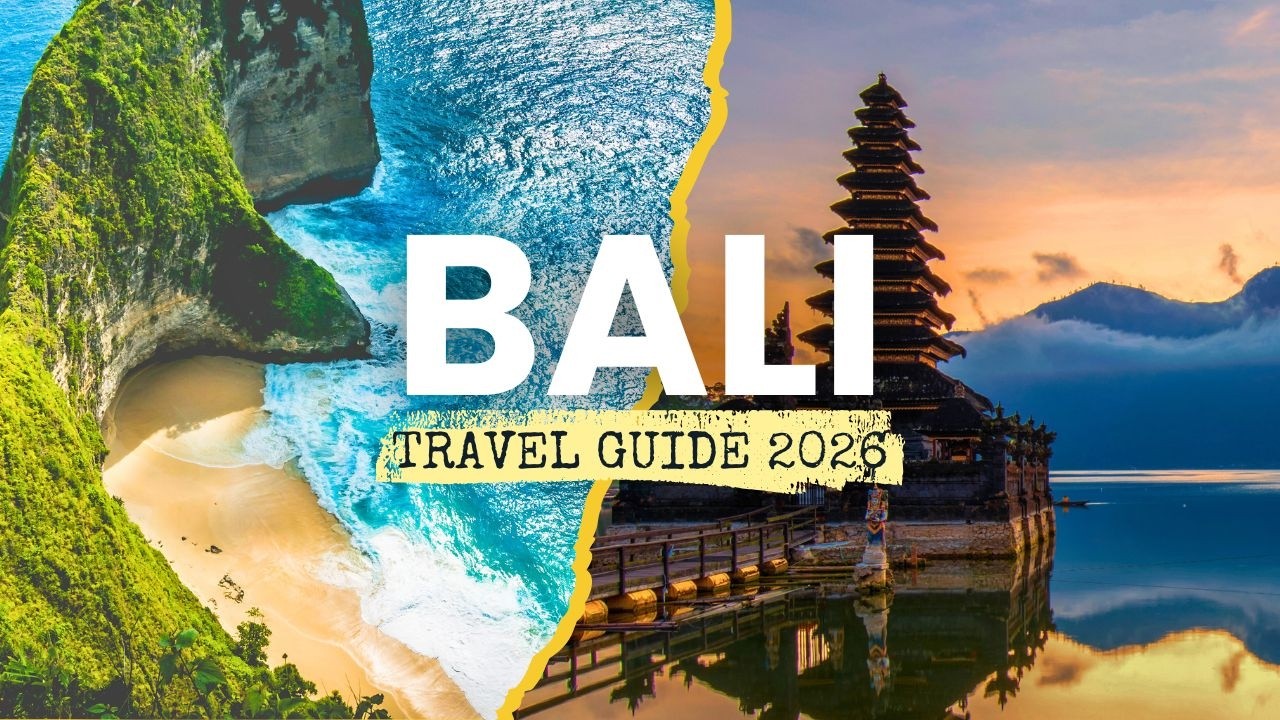
Nusa Lembongan, Nusa Ceningan, and Nusa Penida sit a 30 to 45 minute fast boat ride off Bali's southeast coast and move at a slower pace: fewer crowds, dramatic clifftop viewpoints (Kelingking Beach on Nusa Penida is one of the most photographed spots in Indonesia), excellent snorkeling and diving with manta rays, but rougher roads and fewer services. For most first-time visitors they work best as a two to four day add-on, not a whole trip.
Things to Do, Including the Quieter Spots
The famous sights are famous for a reason, but when you go makes a huge difference. Tanah Lot's sea temple is stunning at sunset and a slog at midday, when the tour buses arrive. Go for sunset, accept that you will have company, and treat it as a photo stop rather than a quiet temple visit. The Tegallalang rice terraces near Ubud are best visited before 8 AM, both for the light and to beat the tour groups that arrive by mid-morning.
Mount Batur sunrise trekking remains one of Bali's most-recommended activities, and it delivers, provided you go in with realistic expectations: a 2 AM alarm, a two-hour climb by headlamp, and a summit that can be packed in high season. It's worth doing once. Book through a licensed local guide rather than a large tour operator for a better experience and to support the local community that depends on the mountain.
For something less trafficked, the temples and waterfalls around Munduk and North Bali see a fraction of the visitors that Ubud's attractions do, despite being equally scenic. Sekumpul Waterfall requires a short trek but rewards it with one of the most dramatic waterfall settings on the island. The Jatiluwih rice terraces, a UNESCO World Heritage site, are larger and less commercialized than Tegallalang and worth the extra drive time for travelers who want the rice-terrace photo without the crowd.
Bali's temple etiquette matters more than most first-time visitors realize, and the rules have been enforced more strictly since 2024. Most temples require a sarong and sash, which you can usually rent or borrow at the entrance. By tradition, women who are menstruating are asked not to enter some temple areas. Climbing on temple structures for photos got so common that the government stepped in, and today it can get you fined or detained.
Bali Food Guide
Balinese food is different from the general Indonesian dishes you find elsewhere, and it's worth hunting down instead of eating off the international cafe menus that fill Canggu and Seminyak. The island's signature dish is babi guling, a heavily spiced spit-roasted suckling pig. Ibu Oka in Ubud is the famous name, but plenty of small warungs across the island make it just as well. Bebek betutu (slow-cooked duck wrapped in banana leaf) requires advance ordering at most restaurants but is worth the planning.
For everyday meals, go to warungs. Nasi campur, a plate of rice with several small side dishes, changes from one warung to the next and costs $1.50 to $3. It's the closest you'll get to Balinese home cooking. A good rule is to eat where you see drivers and office workers at lunchtime. The warungs along Jalan Tukad Yeh Aya in Renon, Denpasar, are a reliable example.
That said, leave room in the budget for a few meals in Canggu and Seminyak. The cafe and brunch scene there can hold its own against Melbourne, with serious coffee, lots of healthy options and cooking that earns its higher prices. It's part of eating in Bali too. Just don't let it be the only part.
Getting Around Bali
Most visitors get around by scooter. Traffic aside, it is the cheapest and most flexible option. Expect to pay 60,000 to 100,000 IDR per day, less if you rent by the week or month. By law you need an International Driving Permit that covers motorcycles, carried with your home license. Police have run more roadside checks on tourists since 2024, and riding without an IDP can cost you an on-the-spot fine of 500,000 to 1,000,000 IDR.
The ride-hailing apps Grab and Gojek work well in Canggu, Seminyak and Denpasar. Coverage gets patchy in Ubud, the quieter parts of Uluwatu and North Bali. For a long day with several stops, hire a driver, usually $35 to $55 for 8 to 10 hours. It's easier and safer than riding yourself if Bali traffic makes you nervous.
Getting between regions, say from Ubud to Canggu or Seminyak to Uluwatu, takes 45 to 90 minutes depending on traffic, even when the map makes it look close. The roads have not kept up with the number of cars and scooters. Plan fewer stops and stay longer at each one.
Safety, Scams, and Etiquette
Violent crime against tourists is rare in Bali. The problems visitors run into are more everyday: road accidents, bags snatched from scooters, and a few well-known scams. The usual complaints are unmetered taxis overcharging, drivers claiming a road is "closed" so they can detour past a shop, and rental companies blaming you for scratches on a scooter. Photograph the scooter from every side before you ride off and again when you return it.
"Bali belly" catches plenty of visitors. The usual culprits are tap water, ice made from untreated water, and undercooked seafood. Drink bottled or filtered water, pick busy food stalls that look clean, and pack rehydration salts and an anti-diarrheal just in case.
Respect counts for more here than in most beach destinations, because Balinese Hinduism is part of daily life. The temples are places of worship, not museums. Cover up at temples, ask before photographing a ceremony, and remember that people live and pray here. You'll enjoy the island more, and you won't end up on the wrong side of the new rules.
Practical Information
SIM cards and eSIMs: Telkomsel and XL Axiata offer the best coverage across Bali, including more remote areas like North Bali and the Nusa Islands. Physical SIMs are available at the airport and countless small shops (10GB plans run around 100,000 to 150,000 IDR). If you'd rather have data working the moment you land, eSIM providers like Airalo and Holafly both cover Indonesia.
Money: ATMs are widely available in tourist areas; use bank-affiliated ATMs (BCA, Mandiri) over standalone tourist-area machines, which carry higher fees and occasionally skimming risk. Carry cash for warungs, scooter rental and small purchases. Outside mid-range and upmarket places, many businesses don't take cards.
Tipping: Not culturally mandatory but increasingly expected in tourist-facing restaurants and for drivers; rounding up or adding 10% for good service is fine. Many mid-range and upscale restaurants add a service charge automatically, so check the bill before you tip on top.
Connectivity for remote work: Canggu and Ubud both have mature co-working scenes (Dojo Bali, Outpost, Tropical Nomad) with reliable fiber connections. WiFi in villas and hotels is hit and miss. If you need to work, read recent reviews that mention the internet, because advertised speeds often drop in the evening when everyone is online.
Is Bali Worth It in 2026?
Yes, but a little planning goes further in Bali than almost anywhere else in the region. Turn up with no plan beyond "a week in Canggu" and you'll have a nice, forgettable trip: good coffee, decent surf, a beach club or two. You could get that in plenty of beach towns. Split the same week between two or three regions, get up early for the rice terraces, and eat at local warungs as well as tourist cafes, and you'll see why people keep coming back.
The complaints about crowds and commercialization are fair for certain spots: Canggu's main roads, Tegallalang at 11 AM, Tanah Lot when a cruise ship is in. Those spots are a small slice of the island. North Bali, Munduk, the Nusa Islands and the quieter edges of Ubud are still calm by regional standards. Better roads in places, faster internet and a smoother visa and levy system have also made it easier to travel around on your own.
Sample 10-Day Bali Itinerary
This itinerary balances beach time, culture, and one island add-on, and works well for a first visit without feeling rushed.
- Days 1 to 3, Canggu or Seminyak: Get over the flight, take a surf lesson if you want one, try a beach club, and settle into the pace.
- Days 4 to 6, Ubud: Rice terraces at sunrise, Mount Batur trek (optional, requires a very early start), temples, cooking class, art markets.
- Day 7, Uluwatu: Cliffside temple, sunset Kecak fire dance performance, beach clubs.
- Days 8 to 10, Nusa Penida or Nusa Lembongan: Fast boat from Sanur, Kelingking Beach viewpoint, snorkeling with manta rays, quieter pace before flying home.
Bali is still worth the flight in 2026 if you go with the right expectations. It is not the untouched island of old travel writing. It is a beautiful place with great food, a living culture and so much variety that a badly planned trip and a well-planned one can feel like different countries. Pick regions that suit how you travel, respect the temples and customs, and Bali will give you most of what you hoped for.