Japan Travel Guide 2026: Costs, Visas, New Taxes, and Places Beyond Tokyo and Kyoto
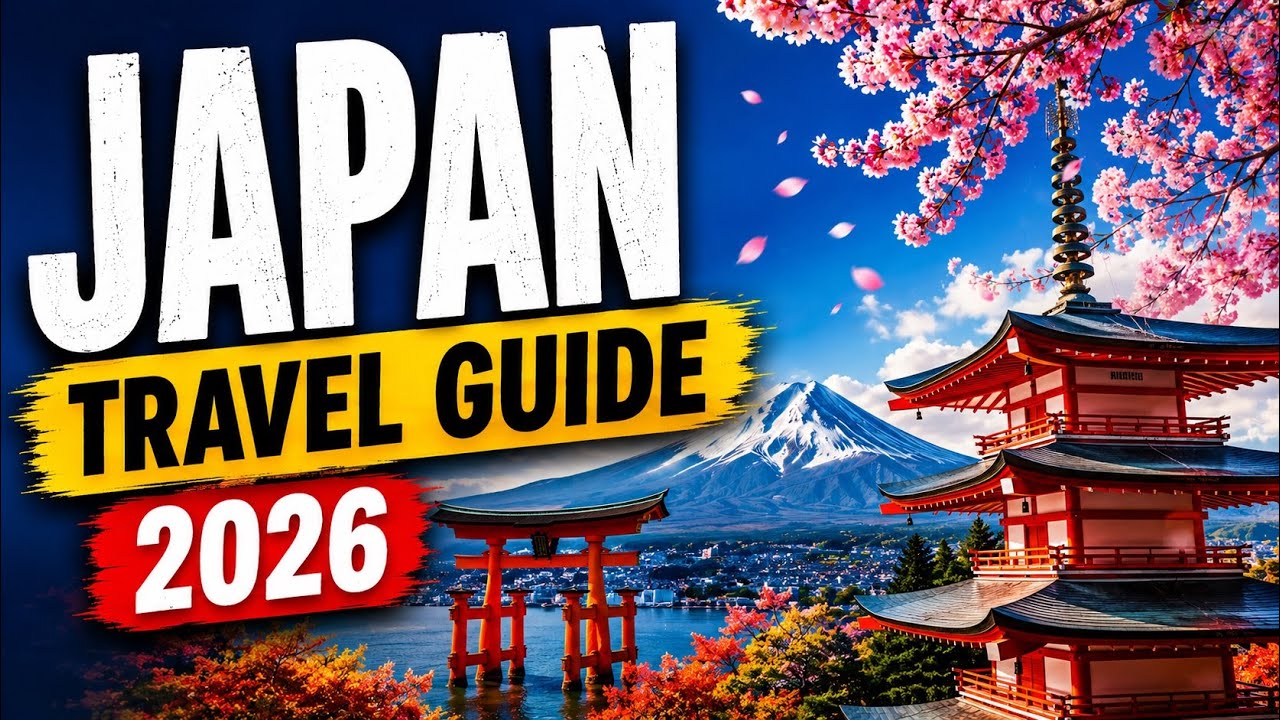
Most Western passport holders still don't need a visa for Japan, but travel there got more complicated in 2026. A series of new fees, taxes and rule changes can add a fair amount to your trip if you don't know about them. One of them, a change to tax-free shopping in November, is likely to surprise a lot of shoppers.
It's also a country that changes how many people think about travel. It isn't always easy at first, but the care and craft you find in almost everything, from trains that leave to the second to a bowl of ramen set down just so, is unlike anywhere else.
Visas in 2026: What Changed
Japan operates a visa-exemption system with 74 countries and regions. If you hold a passport from the United States, the United Kingdom, Canada, Australia or most EU countries, you get permission to stay up to 90 days as a tourist when you arrive. There's no visa application, no fee and, as of 2026, no online pre-registration. Nigerian passport holders, by contrast, need a visa from a Japanese embassy before traveling.
There's plenty of confusion online about JESTA, Japan's planned electronic travel authorization for visa-free visitors. As of 2026 it hasn't launched, and the government has pointed to around 2028. Anyone selling JESTA registration now is running a scam. The Japan Ministry of Foreign Affairs website is the only authoritative source for current entry requirements.
If you do need a visa, fees went up sharply for applications made from July 1, 2026, for the first time since 1978. A single-entry visa rose from ¥3,000 to ¥15,000, and a multiple-entry visa from ¥6,000 to ¥30,000. The government says the change reflects decades of inflation. If your passport isn't on the visa-exempt list, add this to your budget.
Not every visa-free nationality gets 90 days. Thai citizens and Indonesian e-passport holders, for example, get 15 days, and some other countries get 30. Don't assume the 90-day rule applies to you. Check the arrangement for your nationality with the Japanese embassy or consulate before booking.
The New Taxes You Need to Budget For
This is what makes 2026 different from earlier years. Three taxes or fees have changed.
The Departure Tax (Sayonara Tax)
Since July 1, 2026, Japan's International Tourist Tax, often called the departure tax, has been ¥3,000 per person instead of ¥1,000 for everyone leaving by air or sea. Children under two are exempt, and so are transit passengers who leave within 24 hours. The tax is added to your airline or ferry ticket, so there's nothing to pay at the airport. Tickets issued on or before June 30, 2026 kept the old ¥1,000 rate. It costs more, but it takes no effort.
Kyoto's Accommodation Tax
From March 1, 2026, Kyoto sharply raised its accommodation tax. It still rises with the room rate, but the top bands are now much higher. Budget and mid-range stays are barely affected. At a luxury ryokan charging more than ¥100,000 a night, though, the tax can reach ¥10,000 per person per night. Booking sites don't always show it clearly, so ask before you book to avoid a nasty surprise at checkout.
If you're on a budget, consider staying in Osaka and visiting Kyoto on day trips. The Shinkansen from Shin-Osaka takes about 15 minutes, and the JR Special Rapid train takes around 30 minutes for about ¥600. You'll miss early mornings at Fushimi Inari and Arashiyama, which are far better at 6 AM before the tour groups arrive, but Osaka hotels are generally cheaper and easier to book than Kyoto's.
The Tax-Free Shopping Change (November 2026)
This change will surprise many shoppers. Until now, tourists could skip the 10% consumption tax at the till in tax-free shops. From November 1, 2026, Japan switches to a refund system. You pay the full price including tax in the shop, and the refund is processed after customs confirms, when you leave Japan, that you're taking the goods out of the country.
In practice, you need enough money for the full tax-inclusive price at the time of purchase. A camera priced at ¥200,000 before tax costs ¥220,000 in the shop, and the ¥20,000 comes back later. Keep your purchases unused and with you when you leave, and leave extra time at the airport, because if customs can't check them, you may lose the refund. Big shoppers should plan for this on any trip from November 2026.
The JR Pass in 2026: Is It Still Worth It?
JR Pass prices are rising again from October 1, 2026. A standard 7-day adult pass goes from ¥50,000 to ¥53,000, a 14-day pass from ¥80,000 to ¥84,000, and a 21-day pass from ¥100,000 to ¥105,000. Green Car (first class) passes cost considerably more. JR's official online booking site is keeping the old prices for a limited time, so check there before you buy from an agent.
Whether it's worth it depends on your route. The old advice to "always get the JR Pass" no longer holds, especially since the big price rise in 2023.
For a classic Tokyo, Kyoto and Osaka trip with perhaps a side trip to Hiroshima or Nara, do the sums first. Tokyo to Osaka by Shinkansen costs around ¥14,000 one way. A return trip between Tokyo and Kyoto plus a day trip from Kyoto to Hiroshima (about ¥10,500 each way) gets you close to ¥53,000 within a week. But if you're staying mostly in one city, say 10 days in Tokyo, the JR Pass is poor value. You'll do better with the Tokyo Subway Ticket for visitors (¥800 for 24 hours, ¥1,200 for 48 hours, ¥1,500 for 72 hours).
Regional passes are often better value. The JR Kansai Wide Pass covers Osaka, Kyoto, Nara, Kobe and Okayama, including the train to Uno port for the Naoshima ferry (the ferry itself is extra), for far less than the national pass. For Hiroshima, look at the Kansai-Hiroshima Area Pass. The JR East Pass (Tohoku area) covers much of the country north of Tokyo. Pick a pass for the region you're visiting.
| Pass | 2026 Price | Best For |
|---|---|---|
| JR Pass 7-day | ¥53,000 (from Oct 2026) | Multi-city trips across Japan |
| JR Pass 14-day | ¥84,000 | Extended touring (Tokyo to Kyushu) |
| JR Kansai Wide Pass (5-day) | ~¥12,000 | Osaka, Kyoto, Nara, Kobe, Okayama |
| Tokyo Subway Ticket | ¥800 to ¥1,500 | Tokyo-only trips |
| IC Card (Suica/Pasmo) | Load as needed | All local transport everywhere |
Whether or not you get a JR Pass, set up a Suica card, Japan's rechargeable transit card. You can buy a physical Welcome Suica at major airports and stations, or add Suica to an iPhone wallet. It works on nearly every train, subway and bus in the big cities, and you can pay with it at convenience stores. No more buying a ticket at every station.
Real Daily Costs in Japan for 2026
Japan's reputation for being expensive is only partly deserved. It costs more than Southeast Asia, of course. But next to Western Europe or the US, a mid-range trip to Japan is good value, especially with the weak yen. Food in particular: you can eat superbly for very little.
| Category | Budget | Mid-Range | Comfortable |
|---|---|---|---|
| Accommodation (per night) | $25 to $45 (capsule/hostel) | $70 to $130 (business hotel) | $150 to $280 (boutique/ryokan) |
| Food (per day) | $15 to $25 | $30 to $55 | $60 to $120 |
| Transport (per day) | $8 to $15 | $15 to $25 | $25 to $50 |
| Activities (per day) | $5 to $15 | $15 to $35 | $40 to $80 |
| Daily Total | $53 to $100 | $130 to $245 | $275 to $530 |
The single biggest budget lever in Japan is accommodation. Capsule hotels and modern hostels in Tokyo and Osaka cost $25 to $45 a night and are very good, better than most European budget places at that price. A business hotel such as Toyoko Inn, Dormy Inn or APA costs $70 to $120 and is perfectly comfortable. A traditional ryokan with a multi-course kaiseki dinner usually starts around $150 per person and climbs quickly from there, but one or two nights is a splurge worth making if you can.
Food is where Japan surprises people. A bowl of ramen from a proper ramen shop costs ¥800 to ¥1,200 ($5 to $8) and is a complete, excellent meal. Conveyor belt sushi (kaiten-zushi) at chains like Sushiro or Kura Sushi runs about ¥100 to ¥200 per plate ($0.67 to $1.35). A set lunch at a mid-range restaurant (teishoku style, with rice, miso, and a main dish) costs ¥800 to ¥1,500. 7-Eleven, Lawson and FamilyMart sell surprisingly good ready-made food, with rice balls from about ¥150 and sandwiches and steamed buns at similar prices. They make easy, cheap breakfasts and lunches.
When to Go
Cherry blossom season (late March to early April) is Japan's most spectacular time to visit and simultaneously its most crowded and expensive. If you want it, book accommodation six months in advance minimum. Hotel prices double or triple in Kyoto and Tokyo during peak sakura week.
Autumn leaves (mid-November to early December) bring the second peak, with just as many people in Kyoto's temples. The colors are stunning. Book just as early.
My favorite times are late September to mid-October, and February. In late September it's still warm, but the summer crowds have thinned. February is cold in Tokyo and Kyoto, but hotels are cheaper, skiing in Hokkaido and Nagano is at its best, and the Sapporo Snow Festival runs early in the month. In February I've felt I was seeing everyday Japan rather than peak-season Japan. Note that September can still bring typhoons.
Summer (July and August) is hot, humid, and school holiday season for both Japanese and many international visitors. Avoid unless you specifically want summer festivals like Gion Matsuri in Kyoto (mid-July) or Tenjin Matsuri in Osaka (late July), which are spectacular but require advance planning for accommodation.
Where to Go
First-Time Visitors (10 to 14 Days)
For a first visit, the classic Tokyo, Kyoto and Osaka route is still the best choice. Spend 4 to 5 days in Tokyo (enough for Shinjuku, Shibuya, Yanaka, teamLab, a day trip to Nikko or Kamakura), 3 days in Kyoto (Fushimi Inari at dawn, Arashiyama, Gion, Nishiki Market), and 2 to 3 days in Osaka (Dotonbori, street food, day trip to Nara for the deer park). Add Hiroshima and Miyajima if you have two extra days. It's popular for a good reason.
Second Trips: Places Beyond the Classics
If you've already done the classic route, these places show you a side of Japan that many Japanese travelers love but most foreign visitors skip.
Kanazawa: People call it "Little Kyoto," which sells it short. Kanazawa escaped bombing in World War II, so its samurai and geisha districts and Kenroku-en, counted among Japan's three great gardens, are historic, not rebuilt. The Higashi Chaya teahouse district has much of the atmosphere of Kyoto's Gion with far fewer people. Seafood from the Sea of Japan is superb, and Omicho Market is a great place to try it. The direct Shinkansen from Tokyo takes around two and a half hours, yet the city still sees a small share of Japan's foreign visitors.
Naoshima Island: A small island in the Seto Inland Sea that has become one of the world's most unusual art destinations. You'll find Yayoi Kusama's polka-dot pumpkins, installations by James Turrell and Walter De Maria, and museums designed by Tadao Ando that are works of art in themselves. The ferry from Uno Port in Okayama takes about 20 minutes and costs a few hundred yen. Rent a bicycle and spend a day riding between the museums and art houses, and book timed tickets for the popular museums in advance. If you can get a room at Benesse House, the museum hotel, book it months ahead. It's one of Japan's most remarkable places to sleep.
Yakushima: A UNESCO World Heritage island about 60 kilometers south of Kyushu, covered in ancient cedar forests that inspired the setting for Studio Ghibli's Princess Mononoke. The Jomon Sugi cedar is thought to be somewhere between 2,000 and 7,000 years old, which is hard to take in when you're standing in front of it. Yakushima is best for hikers. The trails into the interior are long and demand an early start and proper gear. Even along the coast road and in the lower forests, though, the lush green and rushing rivers are unlike anywhere I've been.
Takayama: A historic merchant town in the Hida mountains with a perfectly preserved old town of wooden sake breweries, craft shops, and historic merchant houses. Walking its old streets feels like stepping back into 19th-century Japan, without the feel of a theme park. The sake from the breweries on Sanmachi Suji is excellent and inexpensive. The Hida Folk Village open-air museum just outside town has moved entire farmhouses from the surrounding mountains and reassembled them on site. Get there by direct express train from Nagoya (about 2.5 hours) or by overnight bus from Tokyo.
Food: What You Must Eat and Where
Tokyo has more Michelin-starred restaurants than any other city in the world, and Kyoto and Osaka have plenty too. The more useful point is that Japan has excellent food at every price, so you don't have to spend much to eat very well.
Sushi, ramen and tempura are wonderful, but they're only a small part of Japanese food. I'd also look for: tonkatsu (breaded pork cutlet) at a proper stand-alone tonkatsu restaurant; yakitori at a basement counter in Shinjuku under the train tracks; kaiseki at least once for a multi-course seasonal meal even if it's a lunch kaiseki (significantly cheaper than dinner); kaitenzushi at Sushiro for the value-to-quality ratio; and yakiniku (Japanese barbecue) in Osaka, where it's a local passion.
Many food guides focus on Tokyo and Kyoto and treat Osaka as an afterthought. That's a mistake. Osaka has a word, kuidaore, which roughly means "eat until you drop," and the city lives up to it. Dotonbori is touristy, but walk three minutes in any direction and you'll find the neighborhood places where locals eat.
Practical Information: The Things People Forget
Cash still matters: Japan uses cards and phone payments far more than it did five years ago, but it still relies on cash more than most rich countries. Many small restaurants, market stalls and rural guesthouses prefer cash or only take cash. Have at least ¥10,000 to ¥20,000 in cash at all times, especially when leaving major cities. 7-Eleven ATMs accept foreign cards reliably. Japan Post office ATMs also work well.
Pocket WiFi, SIM card or eSIM: All three work well in Japan. Traveling alone, an eSIM from a provider such as Airalo or a data SIM from an airport counter or vending machine is easiest. For a group, renting one pocket WiFi device at the airport can get everyone online. Tourist SIMs are also sold at big electronics stores such as Bic Camera and Yodobashi.
IC card: Get a Welcome Suica or Pasmo Passport at the airport or a major station, or add Suica to your phone's wallet. Load ¥3,000 to start. It works on most subways, buses and local trains and in convenience stores. It's the most useful thing you can get on day one.
Etiquette basics: Remove shoes at traditional accommodation (ryokan) and many restaurants. Try not to eat while walking, which many people consider rude. Keep your voice down on trains and put your phone on silent. Don't tip. It isn't part of the culture and can cause awkwardness. Queue patiently, especially for trains. This is simply how daily life works in Japan, and following it makes everything go more smoothly.
Language: Less English is spoken than in big European cities, but you'll manage better than you think. Major stations have signs in English, and Google Translate's camera mode is great for menus and signs. Learning a handful of Japanese phrases, such as sumimasen (excuse me), arigatou gozaimasu (thank you), kore o kudasai (this one please, while pointing), will make people warm to you quickly.
Is Japan Worth It in 2026?
With all the new taxes and price rises, I've thought hard about this.
Japan costs more in 2026 than in 2023. The higher departure tax, the JR Pass rise, Kyoto's new accommodation tax and the change to tax-free shopping all add to the bill. If you're working from an older budget, add 15 to 20%.
Even so, Japan is still one of the best places in the world to travel. Transport is superb, the food is outstanding, the culture rewards curiosity, and the cities are very safe. And places most visitors never see, like Kanazawa, Naoshima, Yakushima and Takayama, are still reasonably priced and fairly quiet.
Start with Tokyo and Kyoto on your first trip, because they deserve their reputations. But save some time, or a second trip, for the rest of the country. That's the Japan I keep going back to.
Check the visa rules for your passport. Compare the JR Pass with regional passes and single tickets, and if you buy one, check JR's official site for the best price. Book Kyoto rooms 4 to 6 months ahead for peak seasons. Set up a Suica card on arrival. Download Google Translate's offline Japanese pack. Carry ¥10,000 to ¥20,000 in cash outside the big cities. If you plan to shop, remember the tax-free system changes on November 1, 2026.