Ghana Travel Guide 2026: Accra, Cape Coast and Real Costs for Nigerian Travelers
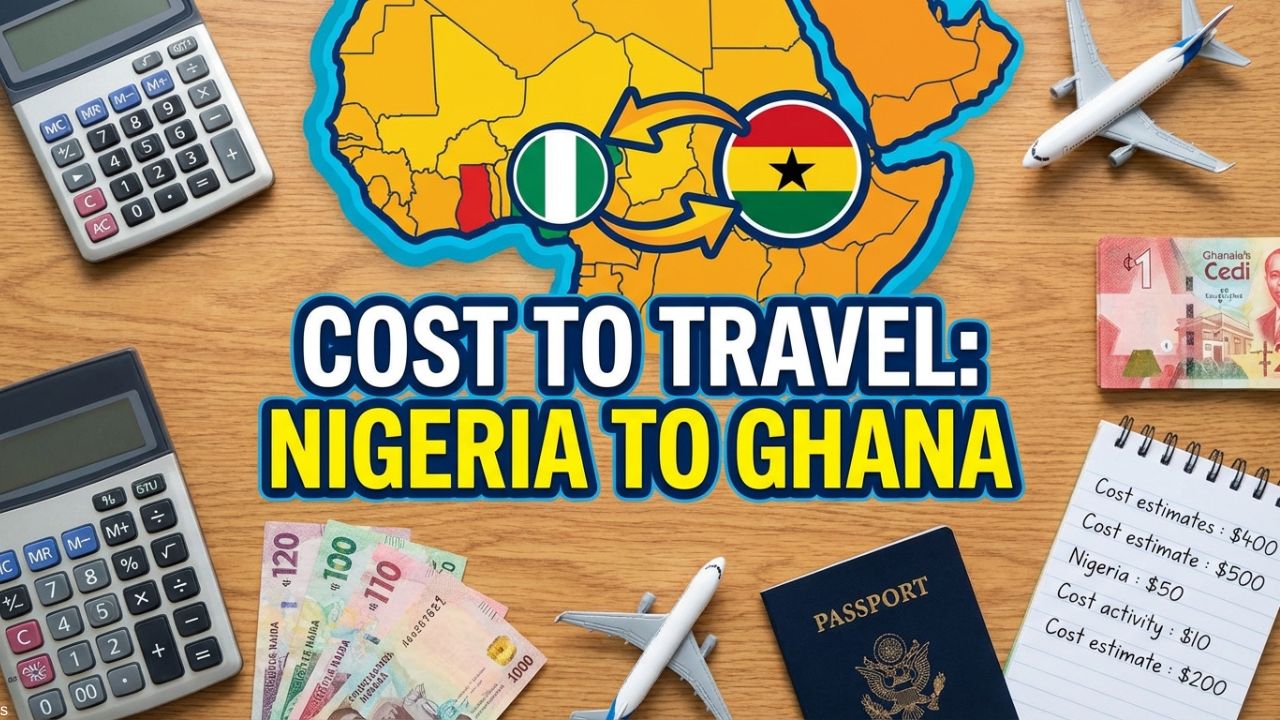
For Nigerians, Ghana might be the easiest international trip there is. There's no visa to apply for, the flight from Lagos takes about an hour, the plugs are the same, English is the main language, and the food is close enough to home to feel familiar and different enough to start an argument. Yes, including the jollof.
But Ghana is more than a quick weekend of parties in Accra. You can stand in the dungeons of Cape Coast Castle, walk above the rainforest canopy at Kakum, swim under waterfalls in the Volta Region and look for elephants in Mole National Park. This guide covers how to get there, what things cost in 2026, where to stay, what to see beyond Accra, and the practical details that make a trip smoother.
Entry Requirements for Nigerians
As ECOWAS citizens, Nigerians can enter Ghana without a visa and stay for up to 90 days. You still need:
- A valid Nigerian passport. Travel with your international passport rather than relying on any other ID.
- A yellow fever vaccination card. Ghana checks for it on arrival. Keep it in your hand luggage.
- A return or onward ticket and an address in Ghana. Officers don't always ask, but have them ready.
If you're traveling with friends or family who hold non-ECOWAS passports, they may need a Ghanaian visa arranged in advance, so check the rules for their nationality early.
Getting There from Nigeria
By air
Flights from Lagos to Accra's Kotoka International Airport take about an hour. Air Peace and Africa World Airlines fly the route, along with other West African airlines, some of which stop in Lomé. Outside peak season, return fares often cost around $250 to $400. In December, prices climb sharply and seats sell out, so book early if you're going for the holidays. There are also flights from Abuja, often with a stop.
By road
Some travelers drive or take a long-distance bus along the coast from Lagos through Benin and Togo to Accra. It's roughly 450 to 500 kilometers, but with three border crossings, the trip often takes 10 hours or more and much longer on busy days. You'll pass through the Seme border into Benin, cross into Togo, and enter Ghana at Aflao. Carry your passport and yellow fever card, keep some small change in CFA francs and cedis, and travel in daylight. Border officials may sometimes ask for informal payments. Stay polite, ask what an official charge is for and request a receipt. If you have the budget, flying saves a long and tiring day.
Money and Costs
Ghana's currency is the cedi (GH₵). In August 2026, the Bank of Ghana rate moved between roughly GH₵11 and GH₵11.75 to the US dollar, but it changes often, so check the rate before you go.
Changing naira in Ghana is difficult and usually at a poor rate. Most Nigerian travelers bring US dollars in clean, recent notes and change them at licensed forex bureaus, or use a card that works internationally. Cards are accepted in many hotels, malls and restaurants in Accra, but you'll need cash for markets, taxis and small shops. Mobile money is everywhere in Ghana, and some visitors register a local SIM for it.
| Daily costs (per person) | Budget | Mid-range | Comfortable |
|---|---|---|---|
| Accommodation | $20 to $40 (guesthouse) | $50 to $110 (hotel or apartment) | $130 to $250 (upscale hotel) |
| Food | $8 to $15 (local spots) | $20 to $40 | $50 to $90 |
| Transport | $3 to $8 (trotro, shared taxis) | $10 to $25 (Uber, Bolt) | $40 to $80 (private driver) |
| Activities | $5 to $15 | $15 to $40 | $40 to $100 |
| Daily total | $36 to $78 | $95 to $215 | $260 to $520 |
Accra is noticeably more expensive than the rest of the country, especially for hotels and eating out in popular areas. Prices also rise across the city in December.
Where to Stay in Accra
Things to Do in Accra
- Jamestown. One of Accra's oldest neighborhoods, with a colonial-era lighthouse, fishing boats on the shore and colorful street art. A local guide makes the walk much more interesting.
- Kwame Nkrumah Memorial Park. The mausoleum and museum dedicated to Ghana's first president, on the site where independence was declared in 1957.
- W.E.B. Du Bois Centre. The former home of the African American scholar who spent his last years in Ghana, now a small museum.
- Independence Square. The huge ceremonial square and Black Star Gate, close to the sea.
- Makola Market and the Centre for National Culture. Makola is a crowded, lively market for fabric, food and everything else. The Arts Centre is the place to shop for kente, carvings and beads. Bargaining is normal at both.
- Labadi Beach. Accra's best-known beach, busy at weekends with music, food and horse rides.
- Aburi Botanical Gardens. An easy day trip into the cooler hills north of Accra, with shady walks and craft shops along the way.
Cape Coast, Elmina and Kakum
If you do one trip outside Accra, make it this one. Cape Coast is about three to four hours west of Accra by road, depending on traffic.
Cape Coast Castle and Elmina Castle are UNESCO-listed forts that were used in the transatlantic slave trade. Guided tours take you through the dungeons and to the "Door of No Return." It's a heavy, emotional visit, and one that many visitors say changed how they understand history. Entry fees are modest, with different rates for Ghanaians, other Africans and international visitors.
Kakum National Park is about 30 kilometers north of Cape Coast. Its canopy walkway, a series of rope bridges high above the rainforest floor, is one of Ghana's most popular attractions. At the time of writing, non-Ghanaian adults paid separate fees for park entry and the canopy walk, each around GH₵130, with lower rates for Ghanaians. Arrive early to beat the heat and the school groups.
Many visitors stay a night or two in Cape Coast or Elmina, where there are beach hotels and guesthouses, rather than rushing back to Accra the same day.
Beyond the Coast
Kumasi
The heart of the Ashanti Kingdom. Visit the Manhyia Palace Museum, the huge Kejetia Market and nearby kente-weaving villages. About four to five hours from Accra by road, or a short flight.
Wli Waterfalls and Mount Afadja
Green hills, waterfalls you can swim under and one of Ghana's highest peaks. Hohoe makes a good base. Allow at least two nights.
Mole National Park
Ghana's largest park, where walking and driving safaris often spot elephants, especially in the dry season from about November to April. It's far from Accra, so fly to Tamale and continue by road.
Busua and Ada Foah
Quieter beach escapes. Busua in the west is popular for surfing lessons. Ada Foah, east of Accra, sits where the Volta River meets the sea.
What to Eat
Ghanaian food is filling, spicy and cheap at local chop bars. Try waakye (rice and beans, usually with spaghetti, egg, fish and shito pepper sauce), banku and grilled tilapia with pepper, kelewele (spiced fried plantain, a favorite evening snack), red red (bean stew with fried plantain), fufu with light soup, and kenkey with fried fish. And yes, try Ghanaian jollof with an open mind. Just don't start the debate with a hungry Ghanaian.
Getting Around
In Accra, Uber, Bolt and Yango are the easiest ways to get around, and you see the price before you book. Traffic is heavy at rush hour, so allow extra time, especially to the airport. Trotros, shared minibuses, are very cheap but can be confusing at first. For trips between cities, air-conditioned coaches from established bus companies are comfortable and inexpensive, and domestic flights connect Accra with Kumasi and Tamale.
Visiting in December
December is Accra's biggest month. The diaspora comes home, and weeks of concerts, beach parties, festivals and fashion events fill the city. It's fun, but it's also the most expensive and crowded time to visit. Hotels and short-lets can double in price, flights sell out and traffic gets worse. If you're going for Detty December, book flights and accommodation by September or October, and buy event tickets only from official sellers. Read our guide to booking December flights to Lagos and Accra.
For quieter, cheaper trips, consider November or the period from February to April, remembering that it's hot and humid for much of the year and the main rainy season on the coast runs from roughly April to July.
Practical Tips
SIM cards. MTN and Telecel are the main networks. You can buy and register a SIM with your passport at official shops, including at the airport.
Power. Ghana uses 230V with Type G plugs, like much of Nigeria, so most Nigerian chargers work. Short power cuts can happen, so a power bank is useful.
Etiquette. Greetings matter, so say hello before asking a question. Use your right hand to give or receive things. Ask before photographing people, and be respectful at the castles, which many visitors treat as places of remembrance.
Safety. Ghana is generally safe and welcoming for visitors. Watch for pickpockets in crowded markets, avoid carrying lots of cash, and use ride-hailing apps at night. Drink bottled or sachet water from reliable brands.
Day 1: arrive in Accra, settle in Osu, and walk Oxford Street in the evening. Day 2: Jamestown, Independence Square and the Kwame Nkrumah Memorial Park, then Labadi Beach. Day 3: drive to Cape Coast and tour the castle. Day 4: Kakum canopy walk in the morning and Elmina Castle in the afternoon. Day 5: drive back to Accra, with a stop for shopping at the Arts Centre before your flight home.